
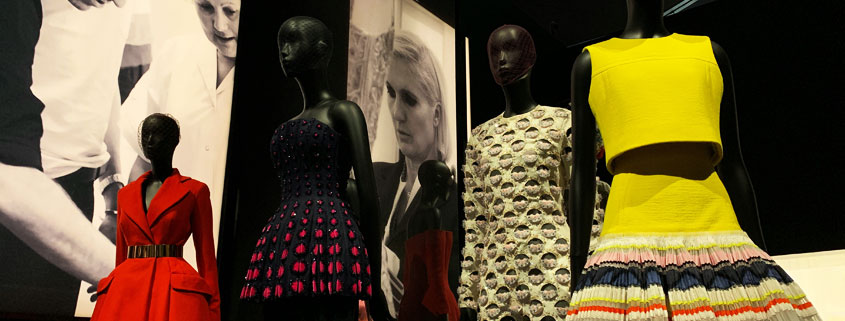
Clothing speaks long before language intervenes. In crowded streets, quiet rooms, workplaces, ceremonies, and moments of solitude, what a person wears broadcasts fragments of who they believe themselves to be, who they wish to become, and who they fear they might lose. Fashion operates as a visible trace of internal life, shaped by memory, environment, desire, and contradiction. It is not decoration layered onto identity, but a surface where identity continuously negotiates its form. Even indifference toward clothing becomes a statement, signaling values such as detachment, efficiency, or resistance to spectacle. Fashion exists because humans carry an instinctive need to externalize the self.
Identity Woven Into Daily Choice
Every garment participates in a sequence of decisions, some deliberate and others automatic, that accumulate into a personal aesthetic logic. A person may reach for the same silhouettes repeatedly not out of habit alone, but because those forms resonate with how they wish to occupy space. Fit becomes psychological as much as physical. Tightness can feel protective or restrictive. Looseness can signal freedom or concealment. These preferences rarely remain static. They evolve alongside emotional states, life stages, and shifting self awareness. Morning routines often reveal identity in its most honest form. When no audience is present, clothing choices still occur, suggesting that fashion functions internally as much as socially. The private act of dressing can reaffirm continuity during times of change or experimentation during moments of transition. Through repetition or rupture, fashion allows individuals to anchor themselves or drift toward new versions of self.
Social Recognition and Visual Language
Identity forms in relation to others, and fashion provides a shared visual grammar through which recognition happens. Certain styles instantly communicate profession, affiliation, or worldview. Others deliberately blur meaning, inviting ambiguity or reinterpretation. Within communities, clothing often operates as a signal of trust and belonging. Outside those boundaries, the same garments may be misread, exoticized, or dismissed. This duality grants fashion both power and vulnerability. To dress is to accept interpretation. People learn quickly which versions of themselves receive affirmation and which provoke friction. Over time, these responses influence how identity is expressed or restrained. Fashion becomes a negotiation between authenticity and survival, especially in environments governed by rigid expectations.
Cultural Inheritance and Continuity
Across generations, clothing preserves stories that spoken history sometimes loses. Textiles, embroidery, color symbolism, and construction techniques reflect regional knowledge and inherited values. Traditional dress does not merely represent ancestry. It embodies adaptation to climate, economy, belief, and ritual. When worn today, these garments function as living archives rather than static costumes. Modern fashion often borrows from this inheritance, sometimes respectfully and sometimes carelessly. When individuals reclaim elements of cultural dress within contemporary contexts, they assert continuity in a world that frequently pressures assimilation. Fashion here becomes an act of memory, resistance, and affirmation, asserting that identity does not require abandonment of origin to remain relevant.
Power, Visibility, and Control
Fashion has long been entangled with authority. Throughout history, access to certain fabrics or styles was restricted, reinforcing social hierarchies. Even now, appearance influences credibility, safety, and opportunity. Clothing can open doors or quietly close them. In professional settings, fashion often dictates who appears competent, modern, or trustworthy before a word is spoken. Yet the same system that enforces conformity also creates space for disruption. Individuals and movements have repeatedly used fashion to challenge imposed identities. From political uniforms to subversive street styles, clothing becomes a visual declaration of refusal. In these moments, fashion transforms into a tool for reclaiming narrative control, asserting presence where silence was expected.
Psychological Architecture of Style
What people wear shapes how they think and feel. Clothing influences posture, confidence, and emotional regulation. A structured jacket can induce focus and authority. Soft fabrics can create calm and intimacy. Bright colors may energize or overwhelm depending on context and temperament. These effects are not imaginary. They arise from the interaction between physical sensation and symbolic meaning. Through fashion, individuals construct psychological environments around themselves. Clothing becomes a portable setting that travels across spaces, offering continuity amid external uncertainty. This is why people cling to specific garments during periods of stress or transformation. Fashion here functions as emotional architecture, shaping internal experience through material form.
Fluidity, Multiplicity, and Modern Identity
Contemporary identity increasingly resists fixed categories. Gender, age, profession, and status no longer define expression as rigidly as before. Fashion mirrors this shift by dissolving traditional boundaries. Silhouettes flow across gendered lines. Formal and casual elements merge. Vintage and futuristic references coexist within a single look. This multiplicity allows individuals to express layered identities without committing to a single narrative. Fashion becomes exploratory rather than declarative. People dress not to announce who they are permanently, but to test possibilities, inhabit contradictions, and reflect change. In this way, fashion aligns with identity as a process rather than a destination.
Consumption, Ethics, and Self Definition
In an era of mass production, fashion also exposes the tension between identity and responsibility. Clothing choices increasingly signal ethical positions related to labor, sustainability, and consumption. To dress consciously becomes an extension of moral identity. What one refuses to wear can be as expressive as what one chooses. This awareness complicates fashion’s role. Identity expression now intersects with accountability. Individuals must navigate desire, affordability, and impact simultaneously. Fashion becomes less about accumulation and more about intention, reflecting a self that seeks coherence between values and appearance.
Fashion as Living Dialogue
Fashion never reaches completion because identity never settles. What feels accurate today may feel restrictive tomorrow. Clothing adapts accordingly, responding to personal evolution and cultural shift. Trends rise and fall not simply because of novelty, but because collective identity itself is in motion. Fashion endures as a reflection of identity precisely because it allows change without erasure. It preserves fragments of the past while remaining open to reinterpretation. In fabric and form, humans rehearse who they have been and who they might yet become, carrying identity forward one garment at a time.

