
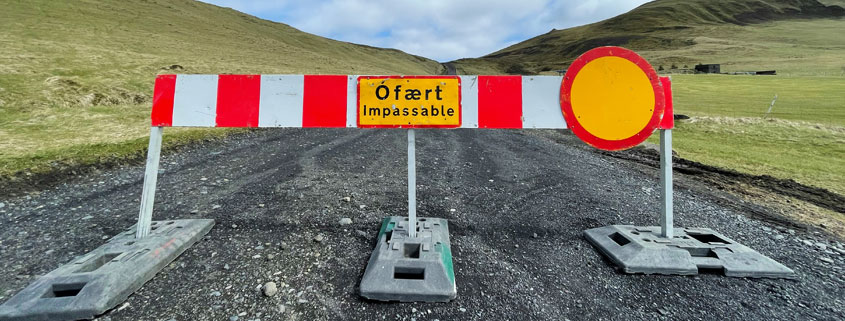
The most memorable moment in a trip is often the one you did not plan, not because it was objectively better than the itinerary, but because it required you to become present. A missed turn that forces you into a back street, a delayed train that strands you near a market at dusk, a restaurant chosen because it was open and smelled right. These are not romantic accidents. They are tests of perception. They pull travel away from performance and back toward encounter.
The contemporary travel world does not forbid detours. It quietly makes them feel irresponsible. When every step can be optimized, a wrong turn becomes a mistake rather than a discovery. The map is always in your hand, the rating system is always hovering, and the algorithm is always ready to rescue you from uncertainty. You can arrive in a new country with an internalized route, a list of saved pins, and a sense of the place that was assembled elsewhere. What disappears is not comfort or efficiency. What disappears is the productive friction that turns movement into experience. A detour is not merely a deviation from plan. It is an invitation to allow a place to interrupt your preferences. That is why the detour has become quietly radical.
Optimization Travel and the Vanishing of Small Risk
Travel used to contain small risks by default. You risked misunderstanding. You risked taking too long. You risked ending up somewhere you did not intend. These were not heroic risks, they were ordinary exposures that forced attention. In an unfamiliar environment, the mind sharpens because it must. It begins to notice signage, tone of voice, patterns of foot traffic, and the subtle cues that locals read without thinking.
Optimization travel reduces those exposures. It replaces situational reading with external guidance. It replaces the need to observe with the ability to consult. This seems like progress, and in many contexts it is, especially for safety and accessibility. The problem emerges when the reduction of risk becomes a reduction of engagement. A trip becomes a set of correct choices executed efficiently, and the traveler becomes a manager of logistics rather than a participant in a living setting.
The tragedy is not that people use tools. The tragedy is that the tools quietly reclassify what counts as competent travel. Competence becomes the ability to avoid uncertainty. It becomes the ability to maximize highlights. It becomes the ability to move through an environment without being altered by it. Detours restore small risk in a controlled way. They reintroduce the need to read the world in front of you rather than the representation of the world on a screen.
The Cult of the “Best”
The modern travel vocabulary is crowded with absolutes. Best coffee. Best hidden beach. Best viewpoint. Best local food. The language sounds harmless, even helpful. Yet “best” is a corrosive word in a place you do not know because it collapses variety into a single ranking.
What ranking systems really deliver is not quality, but consensus. Consensus is not the same as local truth. It is an average of visitor expectations, filtered by who bothers to review, shaped by platform incentives, and reinforced by visibility. Once a destination is labeled “the best,” it attracts a specific kind of crowd, which then reinforces the label, which then changes the destination to fit the crowd. The “best” places often become best at hosting people who seek the best.
Detours are one of the few ways to escape the tyranny of consensus. They are not guaranteed to lead to greatness. They are guaranteed to lead away from the script. That is their value. They allow you to experience a place that is not auditioning for outsiders. When people say they want authenticity, they often mean a curated authenticity delivered efficiently. A detour offers a different thing, a glimpse of daily life that is not designed to impress.
The Map That Replaces the Street
A map is not a neutral tool. It is a way of seeing. When you navigate constantly through a map, you begin to relate to the city as a path rather than a surface. The street becomes something you pass through while your attention is anchored elsewhere. Your body follows the route while your mind watches the blue dot.
This is why people can spend a week in a city and feel as if they never really arrived. They remember the destinations, but not the in between. They remember the museum, but not the neighborhood around it. They remember the restaurant, but not the street where it lived. They remember the photo, but not the texture of the day.
A detour breaks the dominance of the map. It forces you to orient. It forces you to build a mental model. You begin to notice patterns, how the river bends, where the hills rise, how the neighborhoods change. The place stops being a series of points and becomes a geography.
Geography is not only physical. It is social. You begin to see which spaces feel public and which feel private, which cafes are full of laptops and which are full of conversation, which parks are designed for lingering and which are designed for passage. These distinctions are not usually captured in a route.
Detours teach you the city as a system rather than a list.
How Detours Create Memory
Memory does not store everything. It stores what matters, what surprises, what demands attention. Planned experiences can matter, but they often come with a script. You know what you are supposed to feel at the cathedral. You know how you are supposed to describe the view. The mind can move through that script without fully engaging because the outcome is already legible.
Detours produce memory because they create ambiguity. You do not know what the moment means while it is happening. You have to interpret it in real time. That interpretation becomes the memory. A spontaneous conversation, a wrong bus, a quiet bookstore, a street performance you did not seek out, these moments tend to imprint because they are not pre labeled.
This is why people sometimes remember the night they got lost more vividly than the monument they traveled to see. Getting lost is not inherently pleasant. It is memorable because it breaks the expected pattern, and the mind wakes up when patterns break. The detour is a memory generator because it demands a kind of narrative participation. You are not consuming a moment. You are producing a story.
The Social Pressure to Be Efficient
Modern travel is performed socially even when no one is watching. People plan trips as if they will be judged for wasted time. There is an internal auditor that asks whether the day was maximized. This voice is reinforced by content culture. You see lists, itineraries, packing hacks, perfect day guides, and “how to do it right.”
The result is a subtle anxiety that frames detours as indulgence. Why wander when you could be seeing something. Why take a side street when the famous site is close. Why sit in a park when you could be checking off another highlight. The pressure is not always external. It becomes internal discipline.
Detours are a refusal of that discipline. They are a way of saying that the purpose of travel is not to extract value from time, but to allow time to be inhabited differently. They are a way of trading productivity for perception. Efficiency has its place. No one wants chaos for its own sake. The problem is when efficiency becomes the moral center of a trip, and everything else becomes a deviation. Detours restore a different moral center, attention.
The Art of Getting “Usefully Lost”
There is a difference between being lost in a dangerous way and being lost in a useful way. Useful lostness is structured. It is choosing a neighborhood you can exit. It is wandering within a known boundary. It is letting yourself drift without abandoning your ability to re anchor.
This kind of drift is not careless. It is deliberate openness. It respects safety, but it also respects the fact that discovery is rarely efficient. A city reveals itself through repetition and slow observation, not only through highlights.
One practical way detours become useful is through the practice of direction rather than destination. Instead of choosing a point and marching toward it, you choose a direction, toward the water, toward the older buildings, toward the sound of music, toward a street that seems lively. You move based on cues. You let the environment co author your route.
This method changes the traveler’s posture. You are no longer extracting. You are listening.
Food Without the Algorithm
Few areas have been more captured by ranking culture than food. The traveler arrives hungry, opens an app, and selects a place based on ratings and photos. This is understandable, and sometimes it prevents real disappointment. Yet it also narrows the experience of eating in a place.
The most interesting meals are not always the most reviewed. In many cities, the best food is the least digitized, because it is not aimed at visitors. It serves regulars. It has no need to translate itself into a platform friendly narrative. Its interior is not optimized for photos. Its menu is not engineered to appeal to a global palate.
Detour eating often begins with observation. Where are locals lining up. What places are busy at odd hours. Which spots look worn in a way that signals repetition rather than neglect. It is not foolproof, but it restores the act of reading a place.
When you pick a restaurant through the algorithm, you are often picking a restaurant through other travelers. When you pick through a detour, you are at least giving the city a chance to speak. The difference is not only taste. It is relationship. One meal is a transaction. The other can become a small participation in daily life.
Language, Misunderstanding, and Humility
The detour exposes you to your limitations. You may not know how to ask for directions. You may misread a sign. You may fail to interpret a social cue. This can be embarrassing, and it can also be clarifying. It interrupts the illusion that travel is about mastery.
When a trip is overly planned, it can reinforce a sense of competence that has not been earned. You are navigating a foreign environment without encountering the friction of not knowing. Detours reintroduce humility. They remind you that the world is larger than your tools, and that your ability to move through it depends on other people’s generosity.
This humility is not a performance of vulnerability. It is a practical stance. When you accept that you do not fully understand, you become more attentive. You ask better questions. You listen. You move slower. You begin to notice the way language is embedded in daily life, not as vocabulary, but as rhythm and gesture. A detour can become a language lesson not because you are studying, but because you are interacting. These interactions rarely occur when you are racing between scheduled stops.
Tourism as a Script, Travel as a Conversation
Tourism often follows scripts because scripts reduce uncertainty. You arrive, you see what you are supposed to see, you take the photo, you move on. The script is reinforced by infrastructure designed to channel visitors. There are signs, routes, ticket systems, and shops that turn attention into revenue.
Travel becomes something different when you treat the place as a conversation rather than a stage. A conversation requires responsiveness. You speak, the world replies. You adjust. A detour is often the opening line of that conversation. It signals willingness to be led by what you encounter.
This is why detours can feel more intimate than planned highlights. Not intimate in a sentimental sense, but intimate in the sense that you are no longer in a tourist corridor designed for you. You are closer to the texture that locals inhabit. You see the place’s ordinary face, the one that exists when visitors are not being guided. A conversation is not always pleasant. It can be confusing. It can be awkward. It can be quiet. Yet it is real in a way that scripts often are not.
The Detour and the Ethics of Presence
There is an ethical dimension to travel that is often ignored. Visitors do not only consume places. They shape them. When people concentrate on a small number of algorithm approved sites, those sites experience pressure, crowding, and rising prices. Neighborhoods become themed. Locals are displaced. The place becomes a product for outsiders.
Detours distribute attention. They encourage visitors to move beyond the same corridors. This can reduce pressure on hotspots, but it can also create new pressures if detours become trends. The point is not to turn every neighborhood into a destination. The point is to cultivate a posture of respect, one that does not demand that the city exist for your consumption.
A detour practiced ethically is quiet. It does not treat every local space as an attraction. It recognizes that some places are not for you, not because you are forbidden, but because they are simply not your stage. It encourages you to observe without claiming. This is another reason detours are radical. They require you to travel without conquest.
What the Detour Does to Time
The most profound effect of detours is how they change time. Planned travel compresses time. It treats hours as units to be used. It turns days into schedules. It creates a sense of forward rush, even in leisure. Detours stretch time. They create pockets where nothing is being achieved except being there. These pockets are often where the trip becomes psychologically restorative. Rest is not only absence of work. It is absence of performance. It is the ability to be somewhere without needing to extract a story from it.
When time stretches, you begin to notice subtler things. The way light shifts across a street. The way cafes fill and empty. The way a neighborhood changes between afternoon and evening. The way the sound of a city evolves over a day. These details are not decorations. They are the place. People often return from a trip feeling as if they went fast. Detours are how you slow down without forcing slowness. They allow the environment to set the pace.
Detours as a Skill, Not a Mood
Some people assume that detours are for spontaneous personalities, as if drift is a trait rather than a practice. In reality, detours are a skill. They require judgment. They require patience. They require comfort with not knowing. They require the ability to recalibrate if things go wrong.
They also require a relationship with inconvenience. Many travelers say they want adventure, but they want it packaged. They want the sensation of the unexpected without the actual discomfort of uncertainty. A real detour does not guarantee delight. It guarantees exposure. The skill is learning how to stay open without becoming reckless. It is learning how to read the environment while also respecting your limits. It is learning how to let a day wander without losing the thread of safety and rest.
A person who practices detours becomes better at travel in a deeper sense. They become better at orientation, better at social interaction, better at coping with small failures, better at noticing. These are transferable skills. They do not vanish when the trip ends.
The Paradox of the Planned Detour
The detour, once recognized as valuable, can become another item to optimize. People begin to schedule “free time” as if spontaneity can be booked. They create lists of “hidden gems” as if hiddenness can be distributed at scale. They seek neighborhoods labeled as authentic, which is how neighborhoods lose authenticity.
This paradox cannot be solved by refusing tools or refusing planning. It can only be navigated by returning to intention. The detour is not a category of location. It is a posture. A detour is not a place you go. It is a way you move. It is the decision to let the trip contain moments you did not anticipate, and to treat those moments as central rather than incidental. When detours become too deliberate, they can become another form of script. The only protection against that is sincerity, the willingness to be surprised without needing to prove you were surprised.
The City as a Teacher
Every place teaches you something, but it does not teach through highlights. It teaches through routines, through the way people queue, the way they greet each other, the way they claim public space, the way they treat silence and noise. These lessons are rarely visible in the monumental sites that represent a city to outsiders.
Detours move you into the city’s pedagogy. They allow you to see what the place values in its ordinary life. A city that prioritizes lingering has different cafes than a city that prioritizes speed. A city with strong neighborhood identity feels different than a city organized around centralized power. A city shaped by migration carries layered languages. A city shaped by scarcity carries different rhythms of repair and reuse.
Travel becomes meaningful when it alters your perception of how life can be organized. That alteration often occurs not through spectacular experiences, but through small observations accumulated slowly.
Detours are how you gather those observations.
The Detour as a Form of Respect
There is a kind of travel that treats the world as content, and there is a kind of travel that treats the world as reality. Content travel is hungry for capture. Reality travel is hungry for understanding. Detours pull you toward the second, because they make capture harder. The moment is less predictable. The lighting is less planned. The story is less tidy. The experience is less transferable.
This is not anti photography or anti sharing. It is a reminder that the deepest value of travel may be the parts that resist being exported. A detour can leave you with a memory that is not easily summarized, a sense of being in a place rather than collecting a place.
When a traveler allows a detour to matter, they are practicing a kind of respect. They are respecting the place’s ability to be more than its reputation. They are respecting their own need to be more than a consumer. They are respecting the truth that a trip is not a performance to be validated afterward, but a lived interval that has value while it happens.
And once you learn to travel this way, you start to notice the absence of detours elsewhere, in daily life, in routines, in the way the world keeps asking you to be efficient, to be correct, to be on route. The detour becomes less a travel tactic and more a reminder that attention is a choice, and that the richest experiences rarely arrive through the fastest path.

