
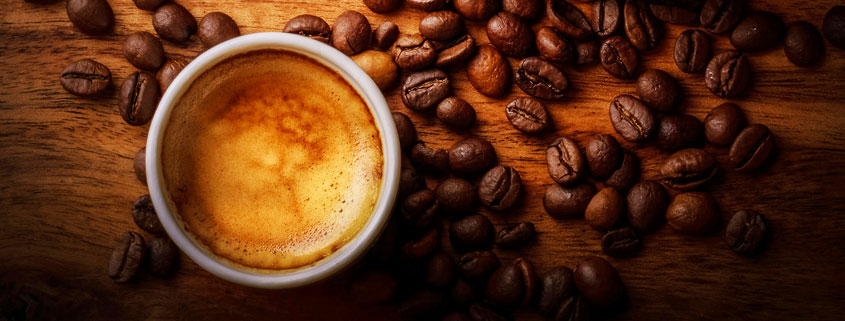
A generation raised on sweetness is discovering that pleasure does not have to be immediate, and that one of the most satisfying tastes is the one that used to warn us away. Bitterness is returning to menus, home bars, coffee counters, and weeknight kitchens, not as a dare or a badge of sophistication, but as a craving. People who once wanted their drinks to taste like dessert are ordering amaro neat. They are learning to like radicchio charred at the edges, grapefruit without sugar, dark chocolate that refuses to flatter. They are reaching for tonic water that tastes medicinal on purpose, then taking another sip anyway.
This shift is bigger than a trend cycle. It is a quiet renegotiation of what “good” means. Sweetness offers comfort. Bitterness offers shape. It draws boundaries around flavor, makes room for aroma, and turns eating into an experience with dimension instead of a single bright note. It asks for attention, and attention is exactly what modern food culture has been starving for.
The Taste We Were Built to Distrust
Bitterness is unusual among tastes because it arrives with evolutionary baggage. Sweetness suggests calories. Salt suggests minerals. Umami suggests protein. Bitterness, historically, often meant toxins in leaves, roots, and spoiled substances. The body learned to treat it as a signal, sometimes as an alarm, and that suspicion still lives in our tongues.
Yet the tongue is not a moral judge, it is a sensor. Many bitter compounds are harmless, even beneficial, and the human brain is capable of learning pleasure through controlled exposure. The key word is controlled. A bitter bite that feels overwhelming can read as punishment. A bitter note that appears in balance can feel grown, steady, and oddly refreshing.
This is why bitterness is rarely loved at first encounter. It is acquired, and the acquisition itself can be rewarding. The palate recognizes that it has expanded. It feels like gaining access to a new room in a familiar house.
How Bitterness Creates Depth Instead of Just Edge
In cooking and drinking, bitterness is often misunderstood as a single sensation, like heat. In reality, bitterness behaves like a structural element. It sharpens other flavors by contrast, the way shadow defines light. It can make sweetness feel less cloying, fat feel less heavy, and acidity feel more articulate.
Bitterness also extends flavor into the finish. Sweetness spikes early. Acid hits fast. Salt lands immediately. Bitterness often arrives later, lingering in the back of the mouth and returning in waves. That lingering quality changes how we experience time at the table. It slows the act of eating down, sometimes without us noticing.
A well-placed bitter note can do what extra salt cannot. It can make a dish feel complete, not because it adds intensity, but because it adds contour.
The Sweetness Era Was Also an Industrial Era
Bitterness fell out of everyday diets for reasons that had little to do with individual preference and a lot to do with industrial convenience. Sugar became abundant, cheap, and culturally coded as reward. Food production learned that sweetness sells instantly, across age groups, across cuisines, across levels of culinary experience.
As sweetness rose, bitterness became framed as a defect. Coffee was “too bitter,” so it was softened. Chocolate was “too bitter,” so it was sweetened and milked. Leafy greens were “too bitter,” so they were bred for mildness. Even cocktails drifted toward candy. The market did what markets do, it optimized for immediate yes.
The cost of that optimization was not only nutritional. It was sensory. A sweet-dominant palate loses interest faster because the story is short. The first bite is thrilling, the fifth is fatigue. Bitterness is slower. It can hold attention longer because it has more angles.
The return of bitterness is partly a return of sensory stamina.
Bitter Greens and the Recovery of the Vegetable
Vegetables are often marketed as obligation, and obligation rarely creates desire. Bitter greens change the emotional tone of vegetables. They taste like something. They carry personality. They insist on being cooked with intention.
Arugula, dandelion, escarole, mustard greens, broccoli rabe, radicchio, endive, watercress, these are not neutral. They have bite. They have bite because plants use bitter compounds as defense, and when humans learn to cook them well, that defense becomes character.
Cooking transforms bitterness in ways that feel almost theatrical. Heat can soften certain compounds while concentrating others. Fat can coat harshness and turn it velvety. Acid can lift and clarify. Salt can pull bitterness into focus instead of letting it sprawl.
A pile of bitter greens sautéed with olive oil and garlic can feel like a grown-up comfort food, not because it is gentle, but because it is direct. It tastes like the body asked for something real.
Char, Roast, and the Pleasure of the Dark
One reason bitterness is returning is that people have fallen back in love with dark flavors. Roasting, charring, smoking, caramelizing until just before the edge, these techniques produce compounds that read as bitter, toasted, and complex.
Char is often described as burnt, yet controlled char is something else. It is a boundary line where sweetness turns into depth. Think of the blistered skin of a pepper, the crust of a loaf, the bitter edge of Brussels sprouts roasted hard enough to crisp. That bitterness is not failure. It is the flavor of transformation, a reminder that heat changes reality.
The same logic appears in coffee and cocoa. As more people explore lighter roasts for clarity, they also explore darker roasts when they want weight. The point is not that one is superior. The point is that bitterness has become a legitimate choice again, not a flaw to apologize for.
Amaro and the Old World Idea of a Digestive
Few categories capture the cultural logic of bitterness better than amaro. It sits at the border between medicine and pleasure, which is exactly where bitterness has lived for centuries.
Traditional bitter liqueurs were not invented as party fuel. They were built from botanicals, roots, peels, seeds, and barks, substances whose bitterness suggested potency. The old promise was digestive comfort, a settling of the stomach, a gentle closure to a meal. Whether every claim holds up under modern scrutiny is less important than the cultural meaning: bitterness as care, bitterness as ritual, bitterness as an adult kind of sweetness.
When people drink amaro today, they are often drinking it for the same reason they drink espresso. It feels like punctuation. It says, the meal was real, and now we return to ourselves.
The recent enthusiasm for amaros, both classic and newly crafted, signals a craving for that punctuation, especially in a culture that eats quickly and moves on too fast.
The Cocktail Renaissance and the End of Liquid Dessert
Modern cocktail culture has been quietly shifting away from pure sweetness toward balance, and balance often requires bitterness. The old-school drinks that have resurged, Negroni, Americano, spritz variations, many aperitif builds, are powered by bitter components that create appetite and structure.
Bitterness in cocktails is not there to punish the drinker. It is there to keep the drink from collapsing into syrup. It creates negative space, the way silence makes music feel intentional. It also invites slower drinking, which changes the social rhythm of an evening. A sugary drink disappears quickly. A bitter drink asks for time.
This is why bitterness pairs so naturally with the modern desire for moderation without moralizing. A drink that demands attention can satisfy with less volume. It can feel complete without escalation.
Coffee, Chicory, and the Training of a Palate
Coffee is one of the most common gateways into bitterness, and it is also one of the most misunderstood. Many people believe they dislike bitterness because they disliked coffee as a teenager. In reality, they often disliked burnt extraction, stale beans, or the aggressive bitterness of over-roasted mass-market blends. They were tasting mishandling as much as they were tasting coffee.
As specialty coffee culture has spread, more people are encountering bitterness as a controllable variable rather than a fixed punishment. Extraction can be tuned. Roast can be chosen. Brewing can highlight sweetness, acidity, or bitterness as desired. When drinkers realize bitterness can be clean, not harsh, they become more willing to explore it elsewhere.
Chicory is an interesting symbol here. It has long existed in culinary traditions as a bitter companion, especially in coffee substitutes or blends. It tastes earthy, rooty, and dry, with a bitterness that feels grounded. When chicory shows up in modern menus and drinks, it often signals a desire for bitterness that feels nourishing rather than aggressive.
A palate trained on clean bitterness becomes less afraid of other bitter foods. It begins to interpret bitterness as information rather than threat.
The Psychology of Adult Taste
Acquired tastes are not only chemical. They are psychological. Bitterness often becomes enjoyable when people associate it with autonomy.
Sweetness is frequently connected to childhood rewards, to comfort, to soothing, to quick pleasure. Bitterness is connected to choice, to agency, to deciding you want something complex even if it is not instantly flattering. This can sound pretentious if framed as superiority. In practice, it is closer to self-trust.
The first time someone enjoys a bitter drink, they often feel a small internal shift: I can like what I like, even if it is not designed to charm me. That shift matters because it transfers. People start seeking complexity elsewhere, in food, in art, in conversation. Taste becomes a training ground for attention.
The return of bitterness may be one of the most quietly hopeful sensory shifts of the decade, not because bitter foods are magical, but because they require a kind of presence.
How Chefs Build Bitterness Without Turning It Into a Lecture
The best chefs do not “add bitterness.” They build it into an arc.
They pair bitter greens with sweet elements that do not shout, roasted squash, caramelized onions, dried fruit used sparingly, a honeyed vinaigrette. They use fat to broaden bitterness, olive oil, butter, cheese, toasted nuts. They use acid to sharpen it, citrus, vinegar, fermented components. They use salt to make bitterness feel clean rather than muddy.
They also choose the right kind of bitterness. Some bitterness is floral and bright, like citrus peel. Some is woody, like certain herbs. Some is earthy, like roots. Some is sharp and leafy. When bitterness is chosen deliberately, it becomes a flavor family, not a single sensation.
This is why bitterness is flourishing in modern menus. It allows chefs to tell more interesting stories with fewer tricks. It can make a dish feel adult without being heavy.
Home Cooking and the Bitter Confidence Gap
At home, bitterness often disappears because people fear getting it wrong. They have burned a pan of broccoli once and concluded that bitterness equals failure. They have bought a too-bitter bottle of tonic and decided they do not like tonic. They have tasted radicchio raw and assumed it can never be pleasurable.
The confidence gap is understandable, yet bitterness is one of the easiest tastes to manage once you know what it wants. Bitterness wants context. It wants something to lean against.
In home cooking, that context can be as simple as a squeeze of lemon, a drizzle of good oil, a pinch of salt applied thoughtfully, or a contrast ingredient placed with intention. The goal is not to hide bitterness. The goal is to shape it.
When people learn this, they often find that their cravings shift. They begin to want salads that bite back. They begin to prefer drinks that do not taste like dessert. They begin to seek flavors that feel like they have edges because edges make the center feel real.
Bitterness as a Response to Sugar Fatigue
The modern food environment pushes sweetness into everything, sauces, breads, drinks, snacks, even savory products that were not traditionally sweet. Many people do not realize how saturated their palate is until they attempt to reduce sugar and feel as if food has lost its charm.
Bitterness is one of the most effective antidotes to sugar fatigue because it restores contrast. It makes sweetness feel special again rather than constant. It allows pleasure without constant escalation. It helps rebuild a palate that can find satisfaction in complexity.
This does not mean bitterness should replace sweetness. It means sweetness can return to its rightful role as one note among many, not the entire song.
A culture that relearns bitterness is not rejecting pleasure. It is widening the definition of it.
The Bitter Future Is Not About Being Tough
There is a misconception that liking bitter foods is about toughness, about proving you can endure unpleasantness. That is a childish interpretation of an adult taste.
The real appeal of bitterness is elegance. It is the ability to enjoy something that does not pander. It is the ability to taste nuance without needing a sugar coating. It is the ability to let flavor unfold slowly and still feel rewarded.
As bitterness returns, it changes how people cook, how they drink, and how they talk about taste. It makes eating feel less like consumption and more like attention. It suggests a future where our palates become less engineered and more chosen, where desire is not only trained by industry, but guided by curiosity and by the body’s quiet intelligence.

