
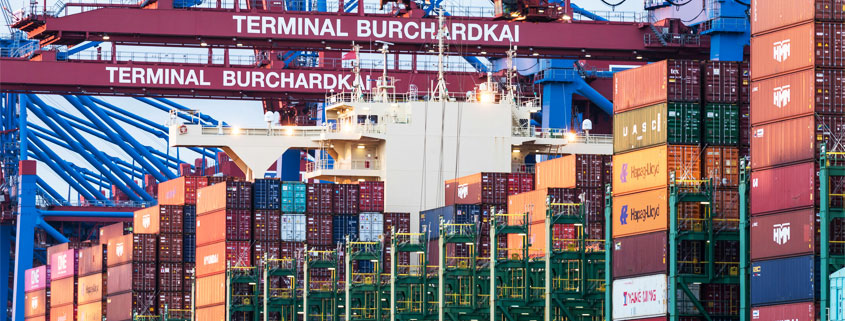
Trade no longer moves quietly in the background of the global economy. It announces itself in price tags, supply shortages, shifting alliances, and political rhetoric that spills far beyond customs offices. Tariffs, once viewed as technical instruments reserved for narrow industrial disputes, have reemerged as blunt forces capable of reshaping entire economic systems. The modern tariff landscape is not simply about protection or punishment. It is about leverage, vulnerability, and the redefinition of economic power in an interconnected world.
Tariffs as Signals Rather Than Simple Taxes
In theory, a tariff is a straightforward mechanism, a tax imposed on imported goods to influence trade behavior. In practice, modern tariffs function more like signals than simple revenue tools. They communicate political intent, strategic positioning, and domestic priorities. Markets respond not only to the cost increase itself, but to the uncertainty embedded within the policy decision. Investors read tariffs as indicators of future friction. Businesses interpret them as warnings to reassess supply chains. Consumers feel their presence indirectly through inflationary pressure and reduced choice. The tariff becomes less a line item and more a message that economic rules are in flux.
The Global Supply Chain Under Pressure
The rise of complex global supply chains over the past several decades assumed relative trade stability. Components sourced from multiple countries, assembled across borders, and sold worldwide depended on predictable costs and minimal friction. Tariffs disrupt this equilibrium by inserting volatility into systems designed for efficiency rather than resilience. When tariffs target intermediate goods rather than finished products, the impact compounds. Manufacturers face higher input costs, which ripple through production schedules and pricing strategies. Some firms absorb these costs temporarily, eroding margins. Others pass them along, contributing to inflation that reaches end consumers. The result is a supply chain recalibration that favors redundancy and regionalization over pure cost optimization.
Winners, Losers, and Uneven Protection
Tariff policies rarely affect all sectors equally. Certain industries benefit from reduced foreign competition, gaining breathing room to stabilize or expand. Others suffer from retaliation, lost export markets, or rising material costs. These uneven effects challenge the narrative that tariffs universally protect domestic economies. Small and mid sized enterprises often feel the strain more acutely than large multinational corporations. While global firms may possess the resources to shift sourcing, negotiate exemptions, or reconfigure logistics, smaller businesses operate with thinner margins and fewer alternatives. Tariffs, in this context, can accelerate consolidation rather than foster broad based domestic growth.
Consumer Prices and the Hidden Cost of Protection
Tariffs are frequently framed as penalties imposed on foreign producers, but the economic burden often falls closer to home. Importers pay the tariff upfront, and those costs typically move downstream. Higher prices on everyday goods act as a regressive force, disproportionately affecting lower income households. Unlike direct taxes, tariff driven price increases are diffuse and less visible. Consumers may attribute rising costs to general inflation rather than trade policy. This opacity allows tariffs to persist politically even as they quietly erode purchasing power and alter consumption patterns.
Retaliation and the Spiral Effect
Trade rarely moves in one direction. Tariffs invite countermeasures, transforming bilateral disputes into broader economic standoffs. Retaliatory tariffs often target politically sensitive exports, such as agricultural products or industrial flagships, amplifying domestic pressure within exporting nations. These cycles can escalate quickly. What begins as a targeted intervention can evolve into a sustained trade conflict that suppresses global growth. International institutions struggle to mediate in such environments, especially when geopolitical considerations override multilateral norms. The economic cost accumulates not only in lost trade, but in diminished trust.
Strategic Tariffs and National Security Narratives
In recent years, tariffs have increasingly been justified on national security grounds. This reframing expands their scope and durability. When trade policy becomes intertwined with security narratives, economic compromise becomes more difficult, as concessions risk appearing as strategic weakness. Industries deemed critical, such as semiconductors, energy, or defense related manufacturing, receive special attention. Tariffs in these sectors aim less at immediate economic gain and more at long term capacity building. The challenge lies in balancing strategic autonomy with the efficiency gains that global specialization once delivered.
Labor Markets and Industrial Shifts
Tariffs can influence labor markets in complex ways. Protected industries may see short term employment gains, but higher input costs and reduced competitiveness can limit long term expansion. Meanwhile, downstream industries that rely on imported components may reduce hiring or relocate production. Job creation linked to tariffs often requires complementary investment in skills, infrastructure, and innovation. Without these supports, protection alone may preserve existing roles without generating sustainable growth. The labor impact of tariffs thus depends heavily on broader economic policy alignment.
Financial Markets and Policy Uncertainty
Markets respond to tariffs not only through sector specific adjustments, but through shifts in risk perception. Currency fluctuations, capital reallocation, and volatility in equity markets often accompany major trade announcements. Uncertainty becomes a tax of its own, discouraging long term investment and strategic planning. Central banks and fiscal authorities must then navigate inflationary pressure and growth slowdowns that originate outside traditional monetary channels. This complicates economic management, especially when trade policy moves unpredictably.
Adaptation and Corporate Strategy
Businesses operating in the new tariff environment increasingly prioritize flexibility. Supply chain diversification, nearshoring, and inventory buffering have become strategic imperatives. While these adjustments enhance resilience, they also raise costs and reduce efficiency. Corporate strategy now involves political risk assessment alongside traditional market analysis. Understanding regulatory trajectories, trade alliances, and diplomatic signals has become essential for long term planning. Tariffs have effectively merged economics with geopolitics at the operational level.
The Broader Economic Reckoning
The resurgence of tariffs reflects deeper questions about globalization itself. After decades of integration, many economies are reassessing the balance between openness and control. Tariffs serve as tools in this recalibration, but they are blunt instruments for addressing nuanced challenges.
The long term economic impact of the new tariff landscape will depend on whether these measures evolve into coordinated strategies or remain reactive responses to short term pressures. Growth, innovation, and stability thrive on clarity and cooperation. Persistent trade friction risks fragmenting markets in ways that are difficult to reverse. The world economy now operates in a space where trade policy shapes not only prices and flows, but confidence and direction. Navigating this landscape requires more than tactical adjustment. It demands a recognition that tariffs are no longer marginal policy tools, but central forces redefining how economies interact, compete, and coexist.

