
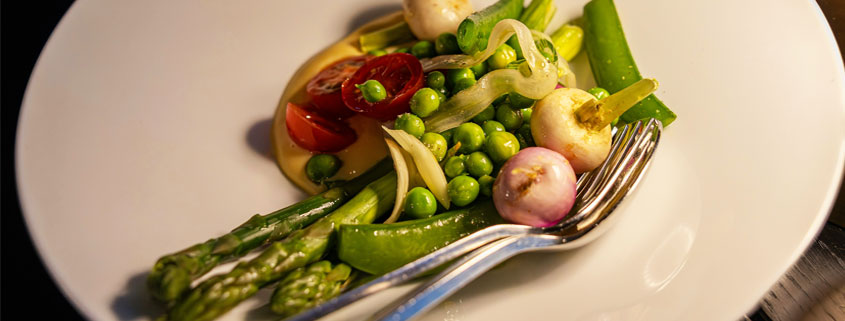
Eating well begins long before a plate reaches the table. It starts in the quiet choices that shape daily life, the habits absorbed over years, and the values we attach to nourishment. In a world obsessed with speed, optimization, and extremes, eating well has become less about sustenance and more about reclaiming intention. It is not a rulebook or a trend, but a practiced awareness of how food shapes body, mind, and culture.
Beyond Nutrition as Calculation
Modern discussions of food often reduce eating to numbers. Calories counted, macros balanced, deficiencies corrected. While nutritional science has expanded understanding in valuable ways, it has also flattened the experience of eating into something transactional. Eating well cannot be fully captured by spreadsheets or labels because it involves sensation, memory, and context. Food interacts with physiology in complex ways, but it also interacts with emotion and identity. A meal eaten in calm company nourishes differently than the same meal consumed under stress. Digestion responds not only to ingredients, but to the state of the nervous system. Eating well acknowledges this interplay and resists the urge to isolate food from lived experience.
Attention as the First Ingredient
One of the most overlooked elements of eating well is attention. How food is eaten often matters as much as what is eaten. Meals consumed while distracted by screens or rushed schedules tend to bypass satisfaction, leading to overconsumption without fulfillment. Attention slows the act of eating and restores feedback loops that signal hunger and satiety. Texture becomes noticeable. Flavor unfolds gradually. The body has time to respond. This is not about ritual for its own sake, but about restoring a conversation between appetite and awareness that modern life frequently interrupts.
Cultural Wisdom Embedded in Food Traditions
Long before dietary guidelines and clinical trials, cultures developed food systems grounded in observation and continuity. Traditional cuisines evolved in response to climate, labor demands, and available resources. They balanced preservation with freshness, richness with restraint. Eating well draws from this accumulated wisdom rather than dismissing it as outdated. Fermented foods, seasonal eating, shared meals, and slow preparation methods were not lifestyle choices, but necessities that supported health across generations. When examined closely, many modern health insights echo practices long embedded in cultural tradition.
The Role of Pleasure Without Excess
Pleasure is often framed as the enemy of health, yet enjoyment plays a crucial role in eating well. Satisfaction reduces compulsive behavior. When food is genuinely pleasurable, the drive to overeat diminishes because desire is fulfilled rather than suppressed. Eating well does not mean stripping meals of joy or variety. It means understanding pleasure as something that deepens with quality rather than quantity. A thoughtfully prepared dish engages senses fully, making excess unnecessary. This balance counters the cycle of restriction and indulgence that characterizes many unhealthy relationships with food.
Food as Relationship Rather Than Commodity
Industrial food systems encourage distance. Ingredients appear anonymous, detached from origin or labor. Eating well often involves reversing this abstraction by rebuilding relationships with food sources, whether through cooking, sourcing, or curiosity. Knowing how food is grown, raised, or prepared fosters respect and moderation. Waste becomes harder to justify. Portions become more intuitive. Meals feel anchored rather than disposable. This relational approach shifts eating from consumption to participation, grounding it in responsibility rather than convenience alone.
Consistency Over Perfection
One of the most damaging myths around eating well is the idea that it requires perfection. This belief leads to cycles of adherence and collapse, where minor deviations trigger abandonment of intention altogether. Eating well functions best as a flexible pattern, not a rigid standard. Consistency allows for variation without guilt. It recognizes that health is cumulative, shaped by patterns over time rather than isolated meals. This perspective encourages resilience rather than fragility, making eating well sustainable across changing circumstances.
The Social Dimension of Eating
Meals have always been social events. Shared food strengthens bonds, communicates care, and reinforces belonging. Eating well includes this social dimension rather than isolating food choices into solitary discipline. When meals are shared, they become slower and more intentional. Conversation naturally regulates pace. The act of serving and receiving food creates mutual awareness. These factors support not only emotional health, but physiological regulation as well.
Listening to the Body Without Obsession
Eating well involves listening to the body, but not interrogating it relentlessly. Hunger, fullness, energy, and mood provide valuable feedback, yet constant monitoring can become another form of control. A healthy relationship with food allows signals to be noticed without anxiety. It trusts the body’s capacity to adapt when given consistent care. Over time, intuition strengthens, replacing external rules with internal calibration.
A Practice That Evolves With Life
Eating well is not static. Needs shift with age, activity, stress, and environment. What nourishes at one stage may not suit another. Treating eating well as a lifelong practice rather than a fixed identity allows adaptation without self judgment. This adaptability preserves curiosity and humility. It keeps eating connected to living rather than frozen in ideology. As circumstances change, so does the art. Eating well, at its core, is an expression of respect. Respect for the body’s complexity, for cultural knowledge, for time, and for pleasure without excess. It resists simplification because life itself is not simple. In choosing to eat well, one does not seek control, but alignment, a quiet coherence between nourishment and living that deepens with attention rather than effort.

