
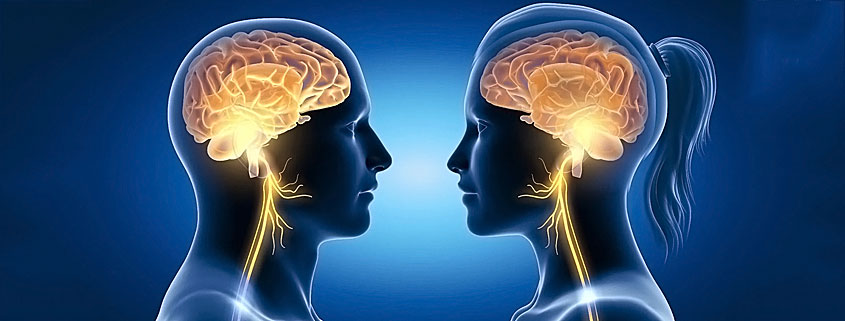
The most influential systems in the human body are often the least visible. Beneath conscious thought, beneath voluntary movement, a constant stream of signals moves between brain and body, shaping mood, digestion, immunity, and resilience to stress. Among these pathways, few are as quietly powerful as the vagus nerve. Once confined largely to medical textbooks and clinical discussions, it has entered broader awareness as researchers, clinicians, and patients begin to recognize how profoundly it influences physical and mental well being.
The Vagus Nerve as a Communication Highway
The vagus nerve is not a single function channel but a vast communication network. Extending from the brainstem through the neck and into the chest and abdomen, it interfaces with the heart, lungs, digestive organs, and immune system. Rather than issuing commands alone, it carries information in both directions. Most of the nerve’s fibers transmit signals from the body back to the brain. This inward flow allows the brain to sense internal states such as inflammation, oxygen levels, and gut activity. Health, in this sense, depends not only on control but on accurate listening.
Why Stimulation Matters
Vagus nerve stimulation refers to methods that activate or enhance signaling along this pathway. In clinical settings, this has included implanted devices used for conditions such as epilepsy and treatment resistant depression. More recently, non invasive approaches have gained attention, ranging from transcutaneous stimulation to behavioral practices that influence vagal tone indirectly.
The interest lies in the nerve’s central role in regulating the parasympathetic nervous system, often described as the body’s rest and restore mode. When this system is engaged, heart rate slows, digestion improves, inflammation decreases, and stress hormones recede.
Autonomic Balance and Modern Stress
Modern life places extraordinary demands on the sympathetic nervous system, the branch responsible for alertness and rapid response. While essential in acute situations, chronic activation creates strain. Elevated stress responses over time are associated with cardiovascular disease, metabolic disorders, anxiety, and immune dysfunction. Vagus nerve activity acts as a counterweight. By supporting parasympathetic dominance when appropriate, it helps restore balance. Stimulation techniques aim to strengthen this regulatory capacity rather than suppress stress outright.
Mental Health Implications
One of the earliest areas of interest in vagus nerve stimulation involved mental health. Clinical use for depression highlighted the connection between neural signaling, mood regulation, and emotional resilience. The vagus nerve influences regions of the brain involved in emotion, including pathways that regulate serotonin and other neurotransmitters. Enhanced vagal activity has been associated with improved mood stability, reduced anxiety, and greater capacity to recover from emotional challenges.
Inflammation and Immune Response
The immune system does not operate independently of the nervous system. The vagus nerve plays a role in what researchers call the inflammatory reflex, a mechanism through which neural signals help regulate immune activity. When functioning effectively, this reflex can limit excessive inflammation, which is increasingly recognized as a contributor to chronic disease. Awareness of this connection has expanded interest in vagus nerve stimulation as a potential complement to conventional approaches for inflammatory conditions.
Cardiovascular Regulation
Heart rate variability, a measure often used to assess autonomic balance, is closely linked to vagal tone. Higher variability generally reflects greater adaptability and cardiovascular resilience. Vagus nerve activity influences heart rhythm directly. Improved regulation has been associated with reduced risk factors for cardiovascular disease and better outcomes in stress related cardiac conditions. This connection underscores the nerve’s role in overall physiological coherence.
Digestive Function and the Gut Brain Axis
Digestion is one of the most energy intensive processes in the body and is highly sensitive to nervous system signals. The vagus nerve serves as a primary conduit between the gut and the brain. Stimulation of this pathway has been linked to improved gastric motility, enhanced nutrient absorption, and reduced symptoms in functional gastrointestinal disorders. These effects highlight the inseparability of mental state, neural signaling, and digestive health.
Sleep and Recovery
Sleep quality reflects the body’s ability to downshift from alertness to restoration. Vagus nerve activity supports this transition by promoting parasympathetic dominance. Individuals with stronger vagal tone often experience deeper, more restorative sleep. As awareness grows around the health costs of chronic sleep disruption, interest in mechanisms that support natural recovery cycles continues to rise.
Non Invasive Approaches and Everyday Practices
Not all vagus nerve stimulation involves medical devices. Breathing patterns, vocalization, cold exposure, and certain forms of movement can influence vagal activity indirectly. Slow, controlled breathing, particularly with extended exhalation, has been shown to enhance parasympathetic response. Singing, humming, and chanting engage muscles innervated by the vagus nerve, offering another pathway of activation. These practices illustrate how physiology can be shaped through behavior rather than intervention alone.
The Importance of Awareness Over Prescription
Much of the current discussion around vagus nerve stimulation emphasizes awareness rather than instruction. Understanding the nerve’s role encourages individuals to pay closer attention to stress signals, recovery needs, and bodily feedback. This awareness shifts the focus from symptom suppression to system regulation. Instead of asking how to eliminate discomfort, the question becomes how to support the body’s capacity to self regulate.
Research Momentum and Scientific Caution
Interest in vagus nerve stimulation has accelerated, but responsible discussion requires caution. Not all claims are equally supported by evidence, and individual responses vary widely. Ongoing research continues to clarify which methods are effective, for whom, and under what conditions. Awareness, in this context, includes recognizing both potential benefits and current limitations.
Integration With Conventional Care
Rather than replacing established treatments, vagus nerve stimulation is increasingly viewed as complementary. Its value lies in addressing regulatory imbalances that often underlie diverse conditions. This integrative perspective reflects a broader shift in healthcare toward systems thinking, where health is understood as dynamic interaction rather than isolated function.
A Broader View of Nervous System Health
The growing focus on the vagus nerve reflects a deeper change in how health is conceptualized. It emphasizes connectivity over compartmentalization and regulation over control. By highlighting the nervous system’s role in immunity, metabolism, mood, and resilience, awareness of vagus nerve function encourages a more holistic understanding of well being.
Listening to the Body’s Signals
At its core, the conversation about vagus nerve stimulation is about listening. The nerve carries information that helps the brain interpret the body’s internal state. When that dialogue is clear and responsive, adaptation becomes easier. Supporting this communication does not guarantee perfect health, but it enhances the body’s capacity to respond intelligently to challenge.
An Expanding Frontier of Understanding
As awareness grows, the vagus nerve is likely to remain a focal point in discussions of mind body health. Its influence spans disciplines, connecting neuroscience, immunology, psychology, and physiology. This convergence suggests that the most meaningful advances may come not from isolated breakthroughs, but from improved understanding of how systems interact. In that sense, awareness itself becomes a form of stimulation, directing attention to a pathway that has been shaping human health all along.

