
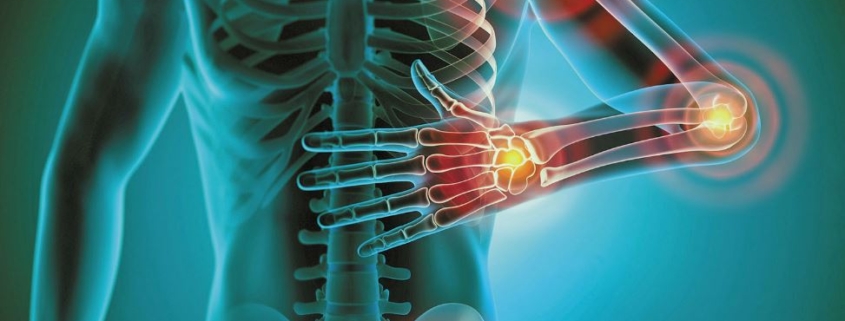
A surprising number of people are living inside an immune alarm they cannot hear. Nothing feels acutely wrong enough to qualify as illness, yet something feels persistently off. The body is more sensitive than it used to be. Recovery takes longer. Mood is easier to tip. Energy is less reliable. Sleep can be adequate but not restorative. Hunger behaves strangely. Pain appears without clear cause, then disappears and returns. These are not dramatic crises. They are the slow, accumulating fingerprints of a biological system that has stopped resolving. Chronic inflammation is the name we give to that unresolved state, but the phrase itself is misleading because it sounds like a single problem. It is closer to a constant background process, an invisible operating system that subtly modifies how every organ, hormone, and nerve signal behaves.
Acute inflammation is one of biology’s great successes. It is decisive, local, and temporary. It mobilizes immune cells, increases blood flow, activates repair, then turns off. Chronic inflammation is the opposite. It is not a burst of response. It is prolonged signaling that becomes self sustaining, sometimes because the trigger never stops, sometimes because the body’s off switch has been damaged by repeated activation. The danger is not that inflammation exists. The danger is that it no longer knows how to end.
The Body’s Defense System Was Built for Events, Not Eras
Inflammation evolved for a world of distinct threats. A wound. A predator encounter. An infection. A period of scarcity. The body would mount an aggressive response, then return to baseline once safety returned. Modern life has replaced clear events with continuous irritants. The immune system is forced to interpret a thousand small signals as potential danger, and those signals arrive daily.
This is one reason chronic inflammation is so hard to notice. It rarely presents as obvious swelling or fever. Instead, it presents as altered regulation. The body becomes a little less tolerant, a little more reactive. It begins to interpret ordinary experiences as stressors. Digestion becomes finicky. Skin becomes more sensitive. Joints feel stiff in the morning. Mindset turns more brittle. These changes can look psychological or random, but they often share a common thread. The immune system is acting as if it is still in the middle of a fight.
Inflammation Is a Communication Network, Not a Single Response
People often imagine inflammation as heat and swelling, a visible reaction. In reality, inflammation is a language. Cells communicate through cytokines, chemokines, and signaling molecules that coordinate defense and repair. When this signaling is balanced, it is protective. When it becomes chronic, it changes how the body interprets everything.
Inflammation affects insulin sensitivity and glucose regulation. It influences how fat tissue behaves and whether it stores energy or releases it. It changes appetite signaling through the brain. It alters neurotransmitter metabolism, including pathways involved in mood and motivation. It impacts endothelial function in blood vessels. It modifies pain sensitivity. It even shapes how the immune system distinguishes between self and non self.
This is why chronic inflammation can appear as many different conditions. It is not that inflammation causes everything. It is that inflammation changes the baseline environment inside which everything else operates. A stressed environment makes other vulnerabilities more likely to express.
The Modern Inflammatory Burden Comes From Accumulation, Not Extremes
Chronic inflammation rarely requires a single catastrophic cause. It builds through accumulation. A diet that is not terrible but consistently destabilizing. A stress level that is not acute but never resolves. An environment with low grade pollutants. A gut microbiome that has lost diversity. A sleep pattern that is adequate but inconsistent. Movement patterns that are mostly sedentary with occasional bursts of effort. Alone, any one of these might be manageable. Together, they create a biological atmosphere that keeps immune signaling elevated.
This accumulation explains why people can appear healthy by conventional standards while still feeling unwell. Labs can look acceptable. Body weight can be stable. Yet the person feels less resilient than they should. Their system is paying a continuous tax.
The Metabolic Link That Changed How Medicine Understands Inflammation
One of the most important developments in modern health is recognition that inflammation and metabolism are tightly intertwined. For decades, metabolic disease was framed primarily through calories, body weight, and dietary fat. That framing was incomplete.
Inflammation interferes with insulin signaling at the cellular level. When immune cytokines remain elevated, cells become less responsive to insulin, making glucose harder to clear from the bloodstream. The pancreas compensates by releasing more insulin, which further stresses metabolic regulation. Over time, this contributes to insulin resistance and type 2 diabetes risk, even in people who do not appear overweight.
Fat tissue also plays an active role. Visceral fat is not passive storage. It is metabolically active and can secrete inflammatory mediators. When visceral fat becomes inflamed, it amplifies systemic immune signaling, making metabolic regulation harder. The result is a feedback loop where inflammation encourages fat accumulation and fat accumulation fuels inflammation.
This explains why some people gain weight despite unchanged eating habits during periods of stress. It also explains why weight loss can become unusually difficult when the body is operating in a persistent inflammatory state. The system is not simply about willpower. It is about signaling.
The Gut Barrier and the Problem of Constant Immune Provocation
The gut is one of the most underestimated sources of chronic inflammation because it functions as both digestive organ and immune interface. The intestinal lining must perform a delicate task. It must allow nutrients to pass into circulation while preventing bacterial fragments, toxins, and undigested particles from doing the same.
When this barrier is compromised, immune activation becomes chronic because the immune system is being provoked continuously. Even small increases in permeability can create systemic effects. Fragments like lipopolysaccharides, components of bacterial cell walls, can enter circulation and trigger immune response. This process is sometimes described in simplified terms as leaky gut, but the phenomenon is better understood as barrier dysfunction that increases immune workload.
Diet plays a role, particularly diets low in fiber and high in highly processed foods. Fiber feeds beneficial microbes and supports production of short chain fatty acids that nourish the gut lining. When fiber intake is low, microbial diversity declines and the gut lining becomes more vulnerable.
Stress also affects gut barrier integrity through nervous system signaling. The gut and brain communicate constantly. Chronic stress can alter motility, reduce mucus production, and change microbial composition, creating conditions that increase immune activation. This is why gut driven inflammation often appears far from the gut. It can show up as skin issues, joint discomfort, brain fog, or mood changes. The immune system is systemic. A provocation in one place can manifest elsewhere.
Neuroinflammation and the New Understanding of Mood and Cognition
The brain was once treated as separate from immune dynamics. That separation has eroded. Chronic inflammation influences brain function directly and indirectly. Inflammatory signaling can alter the blood brain barrier, allowing immune mediators to affect neural tissue. Microglia, the brain’s resident immune cells, become activated under chronic inflammatory conditions. When microglia remain activated too long, synaptic function changes. Neural networks become less flexible. Emotional processing becomes more reactive.
Mood disorders are not purely inflammatory, but inflammation can create a landscape where depression and anxiety become more likely. Inflammation influences neurotransmitter pathways, including the conversion of tryptophan into metabolites that can reduce serotonin availability. It also reduces neuroplasticity, making it harder for the brain to adapt and recover.
People often experience this as a subtle shift. Less motivation. More irritability. Reduced patience. A narrower emotional range. These changes may be attributed to personality or circumstances, but they can reflect immune signaling that has become chronically elevated. Cognitive effects can follow. Attention becomes less stable. Memory feels less reliable. Learning requires more effort. This is not only psychological strain. It is a biological environment that makes mental work more costly.
Chronic Pain as an Inflammatory Amplifier
Pain is not always a direct measure of structural damage. Chronic inflammation lowers pain thresholds by sensitizing nerve endings and amplifying signaling. Tissue that is mildly irritated becomes painful. Old injuries become louder. Ordinary movement triggers disproportionate response.
Inflammation also changes how the nervous system processes signals. When pain persists, the nervous system can become hypervigilant, interpreting input as threat even after tissue has largely recovered. In this state, immune signaling and nervous system sensitization reinforce each other. This dynamic explains why some people experience widespread pain without clear injury, and why pain can fluctuate with stress, diet, or sleep. The system is not imagining pain. It is producing it through amplified signaling.
Inflammation and Autoimmunity, When Defense Loses Precision
Autoimmune disease represents an immune system that misidentifies the body as threat. Genetics strongly influence susceptibility, but environment often shapes expression. Chronic inflammation can increase autoimmune risk by sustaining immune activation and reducing regulatory control.
In a chronically inflamed environment, immune tolerance mechanisms can weaken. Regulatory cells that normally calm immune responses may function less effectively. The immune system becomes more likely to react strongly and less likely to resolve. For those already living with autoimmunity, chronic inflammation often determines flare intensity and frequency. Even when the underlying autoimmune process cannot be eliminated, reducing background inflammatory load can shift symptom pattern significantly.
Why Chronic Inflammation Often Evades Standard Testing
Many people assume that if inflammation were significant, it would show up clearly in basic lab work. The reality is more complicated. Some inflammatory markers are nonspecific and can remain within reference range while still reflecting chronic elevation relative to an individual’s baseline. Other markers are not routinely measured. Inflammation can also be localized in ways that do not strongly influence systemic tests until disease is advanced.
Additionally, reference ranges are population based. If a population is widely inflamed, the range of normal shifts upward, making low grade inflammation easier to miss. This diagnostic ambiguity contributes to frustration. People feel unwell, but tests appear normal. Clinicians treat symptoms without identifying systemic drivers. Patients begin to doubt themselves. Meanwhile, inflammatory signaling continues.
The Inflammatory Profile of the Modern Diet Without Turning It Into a Diet Article
Diet matters not as moral category, but as biochemical input. The immune system interprets what enters the bloodstream. Frequent blood sugar spikes create oxidative stress and immune activation. Highly refined carbohydrates increase glycation and inflammatory signaling. Low fiber intake reduces microbial stability. Excessive alcohol disrupts gut barrier and liver processing. Nutrient deficiencies impair the body’s ability to regulate immune response.
The key is not perfection, but pattern. A diet that stabilizes blood sugar, supports gut integrity, and provides micronutrients tends to lower inflammatory tone. A diet that repeatedly destabilizes metabolic signaling tends to raise it. This framing avoids simplistic good versus bad categories. It emphasizes what the body experiences, not what culture labels.
Movement as Immune Regulation Rather Than Fitness Performance
Physical activity is often framed as weight management or cardiovascular conditioning. Its most profound effect may be immune regulation. Regular movement improves insulin sensitivity, reduces visceral fat inflammation, enhances lymphatic circulation, and shifts cytokine balance. Muscle contraction releases myokines that counter inflammatory signaling.
At the same time, excessive exercise without recovery can increase inflammation. The body interprets overtraining as stress. This is why inflammatory regulation requires balance. Consistency tends to matter more than intensity, and recovery often determines whether movement becomes a calming signal or an irritant.
Stress as an Immune Input That Cannot Be Ignored
Stress is not a vague psychological concept. It is physiological signaling that alters immune tone. Chronic stress changes cortisol dynamics. Cortisol is meant to regulate inflammation, but prolonged stress can disrupt its rhythm and effectiveness. When cortisol regulation fails, inflammation can rise unchecked.
Stress also affects behavior indirectly, influencing sleep, food choices, and movement patterns. Yet even when behavior is stable, stress itself can keep immune signaling elevated. This is why inflammation cannot be addressed solely through food or supplements. The immune system responds to the entire context of a life, not just its nutrients.
Environmental Irritants and the Invisible Load
Environmental exposures contribute to chronic inflammation through continuous immune provocation. Air pollution, particulate matter, endocrine disrupting chemicals, and certain household contaminants can all increase oxidative stress and inflammatory signaling.
These exposures often feel intangible because they are dispersed. They do not create immediate symptoms in the way acute toxins do. Their effect is cumulative. Over time, they increase the baseline inflammatory burden the body must manage daily. This reality complicates health narratives that focus exclusively on personal choices. Many inflammatory drivers are structural and environmental, beyond individual control. Recognizing this is not defeatist. It is accurate.
The Seduction of Quick Fixes and Why They Disappoint
Because inflammation is complex and widespread, it attracts simplistic solutions. A supplement. A single food removal. A protocol promised to reset the body. Some interventions help. Many disappoint because they address downstream symptoms rather than upstream signals. Inflammation persists when triggers persist. The immune system cannot be persuaded to calm down if it is still receiving threat cues. This is why true inflammatory regulation tends to be gradual. It involves changing the baseline environment of the body rather than forcing an immediate shift. It requires stacking small, consistent signals of safety, stability, and repair.
Regulation, Not Elimination, as the Real Goal
Inflammation is not the enemy. It is essential. Eliminating inflammation would be catastrophic. The goal is regulation, the ability of the immune system to activate when needed and resolve when finished. Resolution is the missing piece in chronic inflammation. Many interventions reduce inflammatory signaling temporarily but do not restore resolution pathways. Restoring resolution requires consistent inputs that support recovery, including adequate nutrients, stable metabolism, gut integrity, stress regulation, and physical activity balanced with rest. When resolution returns, symptoms often fade in a way that feels almost surprising. Not because a single intervention cured everything, but because the background noise finally quiets enough for the body to function normally.
The Larger Story Chronic Inflammation Is Trying to Tell
Chronic inflammation is a message about modern living. It reveals the cost of continuous stimulation, processed convenience, environmental burden, and chronic stress. It reveals how a body designed for episodic threat responds to a world that delivers constant low-level provocation.
The unresolved question is whether health culture will continue treating inflammation as a personal project, something individuals must fix through discipline and purchases, or whether it will recognize inflammation as a structural outcome of how society is designed. Because inflammation is not just a biochemical process. It is an argument between biology and environment, and it continues until the environment changes enough for the body to believe, again, that it is safe to repair.

