
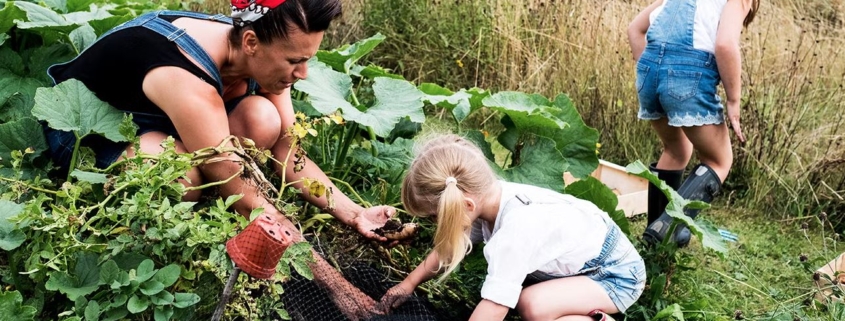
A garden looks harmless. A patch of soil, a few plants, a routine shaped by seasons rather than schedules. Yet in a world optimized for speed, extraction, and constant output, tending a garden has taken on a different meaning. It slows time. It rejects efficiency. It insists that growth happens when it happens, not when demanded. Gardening today is not just about plants. It is about choosing to participate in a system that does not bend easily to human urgency.
This is why so many people feel drawn to gardens without fully understanding why. The appeal is not only aesthetic or practical. It is psychological and cultural. Gardening offers a rare encounter with limits that cannot be negotiated away. Seeds germinate on their own timetable. Soil health cannot be rushed without consequence. Weather ignores intent. In accepting these constraints, gardeners step briefly outside the logic that governs most of modern life.
Gardens teach patience not as a virtue, but as a requirement.
For much of history, gardening was inseparable from survival. Food production demanded attention, skill, and seasonal awareness. Industrial agriculture severed that relationship for most people, relocating food to distant systems managed by machines, chemicals, and global logistics. Home gardens shrank or disappeared, dismissed as inefficient or quaint.
What has returned in recent years is not a nostalgic recreation of the past, but a new recognition of what was lost. Gardening reintroduces direct responsibility. You cannot outsource soil care to an algorithm. You cannot scroll past drought. The feedback is immediate and honest. Plants thrive or struggle based on decisions made weeks or months earlier.
That feedback changes how people think.
Soil as a Living System, Not a Surface
One of the most profound shifts in modern gardening is the understanding of soil as a living ecosystem rather than an inert medium. For decades, soil was treated as a substrate to be corrected with fertilizers and chemicals. Nutrients were added. Problems were suppressed. The goal was output.
That approach produced short term gains and long term damage. Soil compacted. Microbial life declined. Dependency on inputs increased. Gardeners now rediscover what farmers and indigenous cultures long understood, healthy soil is relational. It depends on organic matter, fungal networks, insects, and microorganisms working in balance.
This realization reframes gardening from control to stewardship. Compost replaces synthetic fixes. Mulch protects moisture and feeds life beneath the surface. Disturbance is minimized to preserve structure. The gardener becomes a collaborator rather than a commander.
Soil care also fosters humility. Improvement happens gradually. Mistakes linger. Success is cumulative rather than dramatic.
Gardening Against the Logic of Convenience
Modern systems promise convenience as a form of freedom. Gardening challenges that promise directly. It is inconvenient by design. Watering requires presence. Weeding demands attention. Harvesting happens when it happens, not when it fits a calendar.
This inconvenience is often framed as a drawback. In reality, it is part of the value. Gardening pulls people into embodied time. Hands in soil replace abstract planning. Weather becomes a factor rather than background noise. The body learns through repetition, bending, lifting, observing.
In a culture that treats friction as failure, gardening treats friction as information.
This shift alters how gardeners relate to other systems. Many report increased awareness of food waste, seasonal eating, and resource use. When you watch a tomato plant struggle through heat or pests, throwing away food feels different. The garden does not preach sustainability. It demonstrates it quietly.
The Garden as a Site of Mental Repair
The psychological effects of gardening are well documented, yet often misunderstood. Gardening does not calm the mind by eliminating challenge. It calms by offering manageable complexity. There is always something to do, but rarely everything at once. Problems are tangible. Progress is visible.
Unlike digital tasks, garden work does not fragment attention. It absorbs it. Repetitive motions and sensory input create a state where thought loosens its grip. Worry fades not because it is suppressed, but because it loses urgency in the presence of living systems that operate on longer arcs.
Gardens also tolerate imperfection. A missed watering does not erase the entire effort. A failed crop becomes information rather than indictment. This tolerance can be deeply restorative for people accustomed to environments where mistakes are permanent and public.
Rethinking Beauty in the Garden
Traditional garden aesthetics often emphasized control. Straight lines. Uniform beds. Predictable color schemes. These designs reflected a broader cultural desire to impose order on nature. Contemporary gardening increasingly embraces a different vision of beauty.
Diversity replaces symmetry. Native plants coexist with cultivated varieties. Imperfection becomes texture rather than flaw. A plant that self seeds unexpectedly is welcomed rather than removed. Pollinators become participants rather than pests.
This shift mirrors changes in ecological understanding. Gardens designed for resilience look different from gardens designed for display. They change across seasons. They invite insects and birds. They accept that not every plant will perform equally every year.
Beauty becomes dynamic. It is experienced over time rather than captured in a single moment.
Gardening in an Age of Climate Uncertainty
Climate change has transformed gardening from a predictable practice into an adaptive one. Weather patterns shift. Frost dates blur. Rain arrives unevenly. Gardeners become frontline observers of environmental change, often before it appears in official reports.
This reality forces experimentation. Drought tolerant plants replace water intensive favorites. Shade structures appear where sun once dominated. Seed saving becomes an act of preservation. Gardeners learn to read microclimates, adjusting plant placement based on subtle variations in exposure and soil.
Gardening under these conditions is no longer about recreating ideal conditions. It is about negotiating with uncertainty. That negotiation builds a kind of resilience that extends beyond the garden itself. People accustomed to adapting rather than optimizing are better prepared for instability.
Community Gardens and Shared Stewardship
Gardens also reshape social relationships. Community gardens in particular reveal how shared care can rebuild trust in fragmented neighborhoods. Strangers become collaborators. Knowledge circulates informally. Cultural practices surface through planting choices and techniques.
These spaces resist privatization. They prioritize use over ownership. A plot thrives because many people invest attention, not because one person controls everything. Conflict still arises, but it must be resolved face to face rather than through abstraction.
Community gardens often exist on marginal land. Vacant lots. Underused spaces. Their success demonstrates that value can be created without formal permission, simply through sustained care.
Gardening as an Education in Limits
Perhaps the most radical lesson gardening offers is acceptance of limits. Not everything grows everywhere. Not every season cooperates. Loss is inevitable. Pests arrive. Weather intervenes. Effort does not guarantee outcome.
This lesson runs counter to the dominant narrative of mastery. Gardening does not reward domination. It rewards responsiveness. Success comes from noticing what works and adjusting without resentment.
Learning to live with limits in the garden makes other limits easier to accept. It reframes failure as feedback. It normalizes cycles of abundance and scarcity.
Why Gardening Endures
Gardening persists because it addresses needs that technology cannot satisfy. It reconnects people to material reality. It offers participation rather than consumption. It teaches without instruction. Its rewards are modest but durable.
The resurgence of gardening is not a trend in the usual sense. It does not rely on novelty. It spreads quietly because those who experience its effects recognize something essential has been restored.
In a world increasingly shaped by systems that promise control while delivering fragility, the garden offers a different bargain. Pay attention. Accept uncertainty. Work with what exists. Over time, life responds.
That response is never guaranteed. That is why it matters.

