
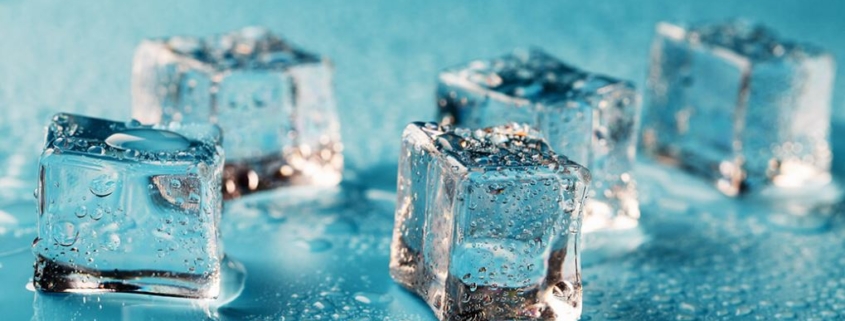
The most decisive moment in a drink often happens after it is served, when nobody is watching. The liquid meets ice, and the ice begins rewriting the recipe in real time, shaving away heat, shedding water, rounding edges, dulling aromatics, sharpening bitterness, softening alcohol, changing mouthfeel. A bartender can build something precise, a cook can season perfectly, and a host can set the glass down with pride, yet the final author is the melt.
We talk about spirits, beans, grapes, and craft. We treat ice like scenery. That blind spot is why so many drinks disappoint. The same cocktail can taste elegant or sloppy depending on the water trapped inside a frozen crystal. The same iced coffee can feel clean or murky depending on how quickly dilution arrives. The same glass of whiskey can open up beautifully or collapse into thinness based on the geometry of a cube.
Ice is not a chill button. It is a moving ingredient, a timed release of water, and a texture that touches the lips before flavor reaches the tongue.
The Physics of Melt Is the Hidden Recipe
Every chilled drink lives inside a negotiation between temperature and dilution. Cooling happens because ice absorbs heat as it melts. That phase change consumes an enormous amount of energy compared to simply warming liquid by a few degrees. In practical terms, ice is a heat sponge with a timer, and the timer is determined by surface area, movement, and temperature difference.
A small, jagged pile of ice cools fast and melts fast because it presents a huge surface to the liquid. A large dense cube cools more slowly but preserves the drink longer because less ice is exposed. Crushed ice is not just “more ice,” it is a different technique. It can be correct when the drink is designed to evolve quickly, to begin bright and intense and then soften into something longer and more refreshing. It can be disastrous when the drink needs structure and concentration.
Stirring and shaking are also ice arguments. Stirring is controlled, quieter. Shaking is violent, aerating and fracturing ice, producing colder temperatures and faster dilution, while adding texture through tiny air bubbles and shattered crystals. These choices are not stylistic flourishes. They shape viscosity, aroma release, perceived sweetness, and the way alcohol expresses itself on the palate.
When people say a cocktail tastes “watery,” they often blame the bartender or the recipe. Many times the culprit is the melt profile, a mismatch between ice form and intended arc.
Water Quality Is Flavor, Even When It Pretends to Be Neutral
Ice is frozen water, and water is never truly blank. Minerals, chlorine, and dissolved gases all become part of the drink, especially as the ice melts. The difference between hard water and soft water can change how flavors register, including bitterness and perceived brightness. Chlorine can leave a faint medicinal note. Sulfur can haunt the finish. Even a clean municipal supply can behave differently depending on the season and treatment methods.
Freezing complicates this. As water turns to ice, it tends to form relatively pure crystals first, pushing impurities into the remaining liquid. This is why some home ice can taste worse than the water it came from. The impurities get concentrated into pockets, and as the cube melts those pockets release flavor in bursts.
Clear ice culture, often treated as pure aesthetics, is actually a water quality obsession disguised as luxury. Clear ice is frequently the product of controlled freezing that encourages the pure crystal to form in one direction while the impurity-rich portion is discarded. The result is not only beautiful, it is cleaner tasting and more predictable in dilution.
If water is an ingredient, then ice is an ingredient that insists on being tasted slowly.
Geometry Is Not Decoration, It Is Control
The shape of ice affects how it touches the drink, how quickly it cools, how evenly it melts, and how the drink moves in the glass.
A sphere has less surface area relative to its volume than most other shapes, so it melts slowly. That makes it attractive for spirit-forward drinks where you want chill with minimal dilution. A large cube behaves similarly, offering slow melt and stability. Spears, long and slender, can be effective in highballs because they minimize rattling while allowing a tall glass to be filled efficiently.
Crushed ice is the opposite philosophy. It is maximal contact, maximal chill, maximal dilution over time. It turns drinks into evolving beverages that start punchy and end gentle. That can be perfect for tiki, for juleps, for swizzles, for drinks designed as long refreshment rather than short intensity.
Pebble ice, the soft chewable kind, has become a cultural icon because it offers a tactile pleasure alongside functional cooling. It also melts quickly, which means it is often paired with flavors that can handle dilution, bright acids, bold syrups, assertive spirits, bitter modifiers.
Even the irregular hollow crescent of certain machine-made ice shapes influences how a drink behaves. Hollow pieces have more surface area and often melt faster. They can also trap pockets of air that accelerate melting. When people find their iced drink becomes bland too fast, the issue may not be the drink itself. It may be that the ice was engineered for a different purpose than the one it is being used for.
Dilution Is Not a Mistake, It Is a Design Choice
There is a strange prejudice in drink culture that treats dilution as failure. People talk about “watering down” as if water only harms. In reality, dilution can be necessary for balance.
Many cocktails are too sharp at full strength. Alcohol carries aroma but also heat. Sugar can cling. Bitters can bite. A small amount of water can soften edges and reveal flavors that were previously masked by intensity. This is why some serious whiskey drinkers add a few drops of water. It can open aroma and change the way tannins and smoke register.
The key is timing. Water that arrives too early can flatten structure before the drink has a chance to express itself. Water that arrives gradually can create a long, pleasant evolution. Great drinks often have a planned trajectory, a beginning, a middle, a late stage. Ice is the mechanism that builds that trajectory.
You can taste this in a well-made stirred drink served over a large cube. The first sip is tight, cold, and focused. Minutes later it becomes rounder. Later still it becomes softer and more aromatic. The drink is not deteriorating. It is unfolding.
Some drinks should unfold. Others should hold. Knowing the difference is part of the craft, and ice is the tool that makes that decision real.
Cold Changes Flavor in Ways That Confuse People
Temperature affects perception. Cold dulls sweetness and suppresses aroma. It can emphasize bitterness and tighten acidity. It can also change texture, thickening certain liquids slightly and making carbonation feel sharper.
This is why a drink tasted warm can seem sweeter than the same drink tasted cold. It is why some desserts served too cold taste muted until they soften. It is why ice-cold soda can taste harsher, then more balanced as it warms slightly.
In cocktails, extreme cold can make a drink feel clean and precise, yet it can also hide aromatic complexity. This is one reason some spirit-forward drinks are served chilled but not frozen, and why the choice of glass matters. A frosty coupe may maintain cold longer, yet it may keep aroma locked down. A slightly warmer glass can let perfume rise.
Ice is implicated here because it keeps a drink in a particular temperature band while continuously adding water. The sensory result is not simply colder. It is a shifting ratio of aroma to sweetness to bitterness, a moving target that can make a drink feel alive or strangely flat.
The most thoughtful drink programs treat temperature as a flavor knob, not a comfort setting.
Home Ice Has a Memory, and It Tastes Like Your Freezer
Many people assume ice is only about water quality. The freezer itself is part of the equation.
Ice is porous in a subtle way. It can absorb odors from the freezer, especially when stored uncovered or for long periods. Garlic, onions, seafood, old cardboard packaging, and freezer burn aromas can migrate. This is why a drink can taste faintly off even when the water is fine. The ice is carrying the scent of the environment it lived in.
The solution is not complicated, but it requires respect. Ice should be stored in a sealed container. Freezers should be clean. Old ice should be discarded. The water used should be filtered if the supply is strongly chlorinated. The ice tray itself should be clean and free of lingering soap smells.
These are small acts, yet they change the taste of everything served cold. A crisp glass of water with clean ice can feel like luxury. The same water with stale freezer ice can feel disappointingly cheap.
The difference is rarely visible. It is tasted.
Ice in Coffee Is a Different Discipline Than Ice in Cocktails
Iced coffee is often treated as hot coffee poured over ice. That method can work, but it is frequently a dilution disaster because hot liquid melts ice instantly, flooding the cup with water before the coffee has a chance to taste like itself.
This is why flash-chilling has become important in serious coffee circles. Cooling coffee quickly preserves aromatics and can maintain clarity. It also allows a barista to plan for dilution, designing the brew strength so that the final drink lands correctly after ice melts. In other words, iced coffee becomes a recipe, not a leftover.
Cold brew is another approach, producing a different extraction profile, often lower perceived acidity, sometimes higher smoothness, and a different bitterness expression. When cold brew is served over ice, the dilution is still real, but the temperature gap is smaller, so the melt is gentler.
Ice choice matters here as much as in cocktails. Large cubes can preserve concentration longer. Small ice can make a drink taste thin quickly. Pebble ice can create a texture people love, yet it can also dilute fast. Some cafés quietly solve this by using coffee ice cubes, which hold chill without water dilution, while introducing their own complexity, including oxidation concerns if the cubes are old.
The best iced coffee is not an accident. It is engineered around melt.
The Culinary Side of Ice, Where Cold Becomes Technique
Ice is not only for drinks. It is a cooking tool with a long history, used to control heat, preserve texture, and shape outcomes.
Ice baths set blanched vegetables, stopping cooking instantly and preserving color and snap. They shock proteins like shrimp, preventing carryover heat from pushing them into rubbery territory. They cool eggs quickly, helping with peeling and keeping yolks centered in texture rather than turning chalky.
In pastry, cold is a structural principle. Butter must stay cold in laminated dough so it creates layers rather than dissolving into the flour. In ice cream, the size of ice crystals determines smoothness. Rapid freezing creates smaller crystals, producing a creamier sensation. Slow freezing creates larger crystals, creating iciness. The fight for smooth ice cream is, in part, a fight against uncontrolled ice crystal growth.
Even in seafood markets and butcher shops, ice is preservation theater and real preservation. It slows microbial growth and keeps products in a safer temperature range. Yet it can also damage delicate fish if used carelessly, as melting water can wash away surface qualities and encourage a wet, degraded texture if drainage is poor.
Ice shapes food outcomes even when it never enters the plate.
Clear Ice, Cloudy Ice, and What We Actually Want From Both
Clear ice is celebrated as premium, yet cloudy ice has its own legitimacy. Cloudy ice can be softer, more prone to fracture, and sometimes more aerating in drinks that benefit from faster chill. It can also be perfectly fine in casual contexts where the drink’s evolution is part of the charm.
Clear ice, on the other hand, is about predictability. It is about slow melt, minimal impurity release, and a certain kind of sensory cleanliness. It is also about presentation, the psychological effect of seeing a drink that looks deliberate. That visual confidence changes how people taste. When a drink looks intentional, the brain often reads it as more valuable, which can intensify perceived quality.
The danger is when clear ice becomes aesthetic fetish rather than functional choice. There are drinks where a perfect cube is wasted because the drink wants rapid dilution. There are drinks where crushed ice is not merely acceptable, it is essential. Ice should match the purpose.
The most sophisticated approach is not choosing one kind of ice. It is understanding the role each kind plays.
The Quiet Ethics of Ice
Ice feels harmless, yet it touches broader issues that food culture is starting to confront.
Energy use matters. Freezers, ice machines, and commercial ice programs consume electricity. In restaurants, ice is part of the hidden operational footprint. In some regions, water scarcity complicates the idea of endlessly dumping ice as if it were free. Even at home, the culture of oversized iced drinks can feel normal until you consider the volume of water frozen for a few minutes of chill.
There is also the environmental question of packaging when people rely on bagged ice. Plastic bags, transport emissions, and the economics of convenience all sit behind a simple cup of ice.
None of this means ice is immoral. It means ice is not invisible. It is an ingredient with a supply chain, and ingredients with supply chains are never neutral.
The Future Will Taste More Like Controlled Melt
As drink culture continues to mature, the most meaningful innovation may not be new spirits, new syrups, or new garnishes. It may be a better understanding of time, dilution, and temperature as levers of flavor.
Imagine restaurants treating ice like bread, made in-house with attention to water, freezing method, storage, and purpose. Imagine home kitchens where ice is chosen deliberately for coffee, for tea, for whiskey, for sparkling water, not as an afterthought. Imagine drink menus that describe a cocktail’s intended evolution rather than pretending the first sip is the only sip that matters.
Ice will never become glamorous in the way a rare bottle can be glamorous. It will remain a quiet craft, a cold geometry, a melt that cannot be paused. That is exactly why it deserves respect. It teaches a lesson food and drink rarely state plainly, the best flavors are not only made, they are managed, and management is often the difference between something impressive and something that actually feels right.

