
Beauty today is rarely quiet. It flashes, scrolls, updates, and competes for attention at a relentless pace. Yet beneath the noise, a quieter question persists, one that technology, speed, and abundance have not managed to erase. How does one live beautifully in a world designed to rush, fragment, and monetize attention itself. The answer is not found in retreat or nostalgia, but in conscious engagement, in shaping a life that remains deliberate even when surrounded by acceleration.
Beauty as an Act of Choice
Living beautifully begins with choice rather than circumstance. Modern life offers convenience at every turn, but convenience often removes texture from experience. Choosing beauty means resisting the automatic path when it leads toward numbness. It means selecting quality over volume, depth over accumulation, and meaning over constant stimulation. These choices are rarely dramatic. They unfold in small decisions repeated daily. How one begins the morning. How one consumes information. How one speaks, listens, rests, and moves through shared spaces. Beauty emerges not from perfection, but from intention sustained over time.
Attention as the New Luxury
In an era of infinite input, attention has become the most valuable resource a person possesses. Living beautifully requires guarding it fiercely. Every notification accepted, every distraction indulged, shapes inner life as surely as diet shapes the body. Beauty arises when attention is directed rather than surrendered. When one reads slowly instead of skimming endlessly. When conversations are entered fully rather than half present. When silence is allowed to exist without immediately being filled. These acts restore proportion, reminding the mind that depth still matters more than speed.
Crafting a Personal Rhythm
Modern schedules often impose artificial rhythms that ignore human limits. Productivity metrics favor constant output, yet beauty thrives in variation. Periods of effort require recovery. Engagement requires withdrawal. Expression requires absorption. Living beautifully means listening to one’s internal tempo and honoring it even when it conflicts with external demands. This does not mean rejecting responsibility, but integrating it with self awareness. A life aligned with personal rhythm feels grounded rather than strained, even amid complexity.
The Home as a Reflection of Inner Life
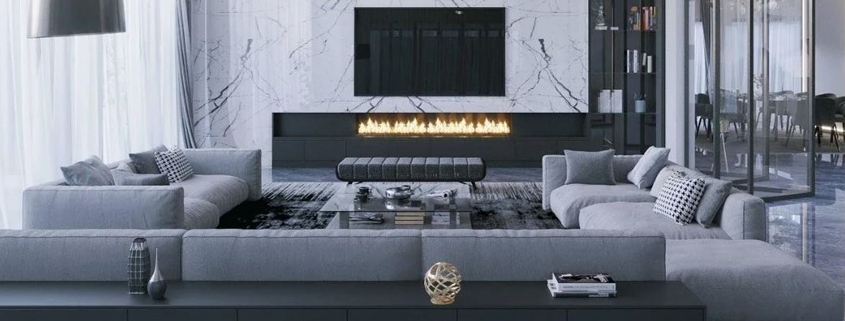
Physical spaces shape emotional states more than most realize. A beautiful life often begins where one lives, not through extravagance, but through care. Light, order, texture, and restraint influence how the mind settles at the end of the day. A thoughtfully arranged space does not impress others. It supports the inhabitant. It allows rest to feel legitimate, creativity to feel possible, and presence to feel natural. Beauty here is not decorative, but functional in the deepest sense.
Consumption with Discernment
Modern abundance makes restraint a creative act. Living beautifully requires discernment in what one consumes, not only materially, but intellectually and emotionally. News cycles, entertainment, opinions, and trends compete aggressively, yet not all deserve entry into personal life. Choosing what to exclude is as important as choosing what to include. Beauty emerges when consumption aligns with values rather than impulse. When possessions are used rather than stored. When experiences are savored rather than rushed toward the next.
Relationships as Living Art
Human connection remains the most demanding and rewarding arena for beauty. Modern life often reduces relationships to transactions or digital exchanges. Living beautifully resists this reduction. It invests time, patience, and vulnerability into relationships that cannot be optimized. Listening without preparing a response. Offering presence without agenda. Allowing others to remain complex rather than simplified. These acts transform relationships into living works of art, shaped through trust rather than performance.
Creativity Without Spectacle
Modern culture celebrates visible creativity, output measured by likes, views, and metrics. Yet beauty often arises from creativity that remains unseen. Writing that clarifies thought. Cooking that nourishes others. Problem solving that improves daily life quietly. Living beautifully includes creating without requiring validation. It honors the intrinsic satisfaction of making something well, whether or not it is noticed. In doing so, creativity remains connected to purpose rather than ego.
Technology as a Tool, Not a Master
Technology itself is neutral. Its influence depends on how it is integrated. Living beautifully does not require rejection of modern tools, but conscious use. Technology should support values, not replace them. When devices enhance connection rather than replace it. When automation frees time for human presence rather than accelerates burnout. When digital spaces remain intentional rather than compulsive. Beauty survives even within modern systems when boundaries are clearly drawn.
Slowness as Resistance
Speed dominates modern life, often presented as progress. Yet slowness remains one of the most radical forms of resistance available. Taking time to think, to reflect, to walk, to eat, to speak carefully. These acts restore dignity to experience. Slowness allows meaning to surface. It creates space for nuance. It prevents life from becoming a sequence of reactions. Living beautifully requires reclaiming slowness without guilt, understanding that not everything valuable can be hurried.
Ethical Awareness as Aesthetic Depth
Beauty divorced from ethics becomes hollow. Modern awareness demands recognition of impact. How choices affect others. How comfort is produced. How convenience is sustained. Living beautifully includes ethical curiosity. It asks where products come from, how labor is treated, and how personal decisions ripple outward. This awareness deepens beauty, grounding it in responsibility rather than illusion.
Embracing Impermanence
Modern culture often promises permanence through accumulation, legacy, or documentation. Yet beauty thrives in acknowledging impermanence. Moments pass. Seasons shift. Phases end. Living beautifully means engaging fully without clinging. Appreciating without possessing. Allowing change without constant resistance. This acceptance brings lightness, making space for gratitude rather than anxiety.
Meaning Over Optimization
The modern world encourages constant optimization. More efficient routines. Better systems. Higher output. While useful, optimization can drain life of mystery and joy. Beauty reenters when meaning takes precedence. When activities are chosen because they matter, not because they are efficient. When life is measured by resonance rather than performance. Living beautifully restores humanity to progress. In the end, living beautifully in a modern world is not about escaping complexity. It is about navigating it with intention, discernment, and care. Beauty becomes a practice rather than a destination, shaped daily through attention, choice, and integrity. It is not louder than the world, but it endures within it, quietly shaping a life that feels fully inhabited rather than merely endured.

