
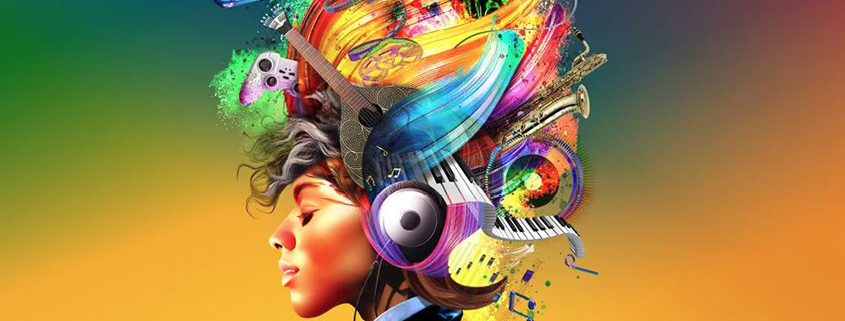
Music does not wait for permission to enter human experience. It arrives before language, before memory, before explanation. A heartbeat in the womb, a rhythm tapped on a table, a melody that surfaces uninvited in moments of joy or grief. Long before societies named themselves or wrote histories, sound was already shaping emotion, movement, and connection. Music persists not because it is entertaining, but because it is essential. It mirrors life’s internal rhythms while giving them form, making the invisible audible.
The Biological Rhythm Beneath Sound
Human physiology is structured around rhythm. The heart contracts and releases in cycles. Breathing follows patterned intervals. Neural activity pulses through electrical signals that rise and fall in measured waves. Music aligns naturally with this internal architecture, which explains its immediate and often involuntary effect on the body. Neuroscientific research shows that musical rhythm synchronizes with motor and emotional centers of the brain. Tempo influences heart rate, harmony shapes mood, and repetition provides predictability that the nervous system finds stabilizing. Music does not merely accompany life. It resonates with the biological systems that sustain it.
Music Before Meaning
Infants respond to music long before they understand words. Lullabies soothe without explanation. Simple melodies regulate emotion when logic cannot. This early responsiveness suggests that music operates on a pre linguistic level, engaging parts of the brain responsible for emotion, memory, and bonding rather than conscious interpretation. Across cultures, musical traditions developed independently yet share common structural features such as rhythm, pitch variation, and repetition. These similarities point to music as a human universal, emerging not from shared culture but from shared biology. Music precedes meaning, then gradually accumulates it.
Emotion Carried Through Sound
Music is one of the most efficient emotional transmitters humans possess. It can evoke sorrow without tragedy, joy without cause, nostalgia without memory. This power lies in its ability to bypass rational filtering and engage emotional processing directly. Unlike language, which requires translation and context, music communicates affect through pattern and tone. Minor keys convey tension. Slow tempos suggest reflection or mourning. Rising progressions imply hope or release. These emotional cues are learned early and reinforced through experience, becoming deeply embedded in how people interpret sound.
Memory, Identity, and Musical Imprint
Few stimuli are as effective at triggering memory as music. A song can resurrect moments long forgotten, complete with sensory detail and emotional weight. This occurs because music activates multiple brain regions simultaneously, linking sound to emotion, time, and personal narrative. Music becomes a marker of identity. It accompanies adolescence, defines cultural belonging, and reflects personal values. Over time, musical preferences act as autobiographical archives, storing fragments of who a person was, who they loved, and how they understood the world at different stages of life.
Music as Social Architecture
Music has always been a communal force. From ritual chanting to modern concerts, it creates shared experience through synchronized attention and emotion. Group singing and collective rhythm foster social bonding by aligning breathing, movement, and emotional response. Anthropological studies suggest that music strengthened early human cooperation by reinforcing group cohesion. Shared sound established trust, coordinated activity, and communicated collective intention. Even today, music unites strangers, dissolving barriers of language, status, and geography through shared rhythm.
The Discipline Behind Expression
While music often feels spontaneous, it is structured by discipline. Scales, timing, harmony, and form impose boundaries that make expression possible. Within these constraints, creativity flourishes. This balance between structure and freedom allows music to evolve while remaining intelligible. Training enhances perception. Musicians develop heightened sensitivity to nuance, timing, and emotional shading. Yet even untrained listeners engage deeply with music, demonstrating that its core power does not depend on technical knowledge but on human receptivity to sound and pattern.
Music in Times of Crisis and Transition
During periods of upheaval, music often becomes more visible and more vital. Songs emerge as vehicles for protest, mourning, resilience, and hope. They articulate emotions that public discourse struggles to contain. History shows that music persists even when other forms of expression are suppressed. It travels quietly, spreads quickly, and adapts easily. In moments of uncertainty, music offers continuity, reminding individuals and communities that feeling and expression remain possible.
Technology and the Changing Soundscape
Technological progress has transformed how music is created, shared, and experienced. Recording extended music’s lifespan beyond the moment of performance. Digital platforms expanded access while compressing attention. Algorithms now influence exposure, shaping taste through pattern recognition. Yet the core relationship between music and listener remains intact. Regardless of medium, music still depends on emotional engagement. Technology amplifies reach, but it does not replace the human response that gives music meaning.
Music as a Measure of Being Alive
To feel music is to feel time passing, emotion rising, tension resolving. Music marks moments that words cannot hold. It accompanies celebration and sorrow, solitude and connection. It gives shape to experiences that resist definition. Music endures because life itself is rhythmic, unpredictable, and emotionally charged. As long as humans continue to feel, remember, and seek connection, music will remain not as decoration, but as evidence of being alive.

