
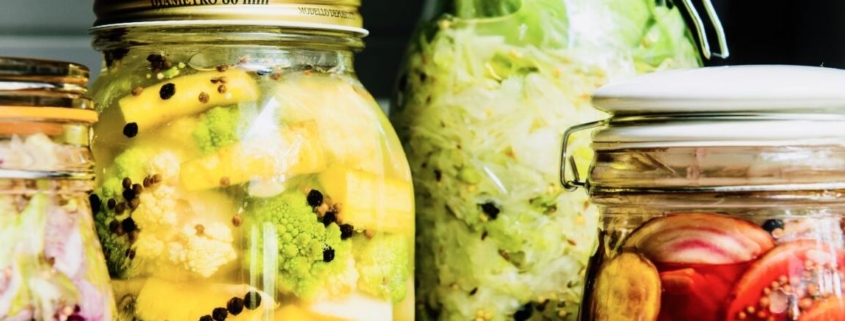
The quietest revolution in modern food is not happening in restaurants. It is happening on kitchen counters, inside jars, under towels, behind pantry doors, and in the back of refrigerators where something is always bubbling. More people are keeping ingredients that are not finished products but ongoing processes. A jar of sourdough starter that behaves like a pet. A crock of vegetables that shifts flavor every day. A bottle of kombucha that changes pressure with the weather. A container of miso that deepens over months like a slow conversation.
This is not a nostalgia project. It is not simply a return to old techniques. It is an adaptation to a world where food has become too sterile, too flat, too immediate, and too detached from time. Fermentation is the opposite of instant. It turns eating into a relationship with patience, microbes, and controlled unpredictability. It makes people trust their senses again, because the calendar cannot tell you exactly when something is ready. Only smell, texture, taste, and observation can.
Fermentation is also one of the most powerful ways to make an ordinary pantry feel abundant. It creates flavor without expensive ingredients. It builds complexity out of salt, water, vegetables, and time. It produces a kind of culinary self-reliance that feels newly relevant.
Fermentation Is a Technology Older Than Taste
Fermentation is often framed as a flavor trend, yet its original role was survival. Before refrigeration, fermentation was one of the few reliable ways to preserve food and make it safer. It lowered pH, produced alcohol, created antimicrobial compounds, and shifted the microbial ecosystem in ways that discouraged pathogens. It made seasons portable.
That history matters because it explains why fermented foods exist in so many culinary traditions. People did not invent them because they wanted “funk.” They invented them because they needed stability. The fact that we now eat them for pleasure is a cultural upgrade, yet the underlying logic remains.
Modern fermentation culture is, in a sense, a rediscovery of a deeply human skill, controlling an invisible world so the visible world can be fed.
Microbes Are Not a Monolith, They Are an Orchestra
When people talk about fermentation, they often speak as if it were a single process, as if “the bacteria” do something magical. In reality, fermentation is a choreography of different organisms, each with its own preferences, speeds, and byproducts.
Lactic acid bacteria create tang, preserve vegetables, and contribute to the clean sourness of yogurt, kefir, and many pickles. Yeasts produce carbon dioxide and alcohol, driving bread rise and creating the fizz of naturally carbonated beverages. Acetic acid bacteria convert alcohol into vinegar, building sharpness that can feel bright or aggressive depending on concentration and balance. Molds, in controlled contexts, produce enzymes that break proteins and starches down into more flavorful components, the reason aged cheeses, miso, and certain cured products can taste impossibly deep.
Thinking of microbes as an orchestra changes how you approach fermentation. You stop expecting a fixed outcome. You begin managing conditions, temperature, salt, oxygen exposure, time, and ingredient freshness, to favor one set of players over another.
This is why fermentation is both a science and a sensibility. The variables are real, yet the experience is sensory.
Salt Is the Gatekeeper of Safe Funk
One of the most misunderstood elements in fermentation is salt. Many people think salt is simply seasoning. In fermentation it is also governance.
Salt changes water activity, influencing which organisms can thrive. It can slow unwanted bacteria and create an environment where lactic acid bacteria gain an advantage. It pulls water out of vegetables, creating brine, and brine becomes the medium where the microbial story unfolds.
Too little salt can invite chaos. Too much can slow fermentation into near-stasis, creating harshness and preventing the transformation people want. The right amount depends on the ingredient, the cut size, and the desired timeline. Thinly sliced vegetables ferment quickly. Whole vegetables take longer. Temperature changes everything. Salt percentage is not a recipe detail, it is a steering wheel.
This is why fermentation feels empowering. It teaches the cook that control can be subtle. You do not need to dominate ingredients with heat and spice. You can guide them.
The Flavor of Fermentation Is Not Sourness, It Is Transformation
Sourness is the most obvious signal, yet it is not the whole pleasure. Fermentation changes flavor architecture.
It can deepen umami by breaking proteins into amino acids. It can soften bitterness in certain vegetables or make it more elegant. It can create new aromatic compounds that suggest fruit, cheese, earth, or smoke even when none of those ingredients are present. It can add slight effervescence that lifts flavor perception. It can make sweetness feel cleaner by adding acid.
Fermentation also changes texture. Vegetables can become crisp in a different way than raw crispness, a kind of snap that feels brined into place. Bread crumb becomes more elastic and aromatic. Dairy becomes thicker and more digestible for some people. Legumes can become softer and more savory.
This is why fermented foods often feel more satisfying even when the ingredients are simple. They have been taken somewhere. They are not only cooked. They are evolved.
The Modern Craving for Fermentation Is a Craving for Time
There is a cultural reason fermentation is flourishing now. We live in a world built on speed. Food is delivered. Coffee is grabbed. Meals are eaten between tasks. Flavor becomes a quick reward.
Fermentation is slow food without the moral posturing. It is slow because it has to be. Microbes operate on their own schedule. You can influence that schedule, yet you cannot bully it. This creates a form of domestic patience that feels rare.
Keeping a ferment in your kitchen changes how you think about time. You begin to notice temperature shifts. You become aware of the day-by-day evolution. You learn that readiness is not a date, it is a stage.
That mindset can leak into the rest of cooking. People who ferment often become better cooks because they become better observers. They stop relying solely on instructions. They start relying on senses.
Sourdough Is a Lesson in Dependency
A sourdough starter is one of the most intimate ferments because it asks for ongoing care. It is not a jar you make once and forget. It is a culture you maintain.
The starter’s smell tells you what is happening, fruity, vinegary, milky, sharp, sleepy. Its bubbles reveal activity. Its rise tells you strength. Feeding schedules change based on temperature and your baking habits. Neglect it, and it becomes acidic and sluggish. Nourish it, and it becomes buoyant.
This relationship teaches a subtle lesson. Food can be collaborative. You are not the sole maker. You are partnering with a living ecosystem. That partnership produces bread that tastes like more than flour and water. It tastes like time, environment, and attention.
Sourdough is also a reminder that fermentation can be deeply personal. Two starters can behave differently even with the same flour, because they carry different microbial communities shaped by place and routine.
Vegetable Fermentation Turns Scraps Into Treasure
One of the most practical reasons fermentation has returned is its ability to convert humble produce into something that feels special.
Cabbage becomes sauerkraut or a spicy ferment that can transform a sandwich. Radishes become sharper, then rounder, with a crunchy bite that cuts through fatty foods. Carrots gain tang and become addictive. Garlic mellows into something almost sweet and complex. Green beans become an assertive snack with a briny snap. Even fruit can be fermented into lightly sour condiments that blur the line between pickle and preserve.
The magic is not only the result. It is the efficiency. Vegetables that might have wilted in the crisper drawer become valuable again. Excess produce becomes a future flavor bank.
Fermented vegetables also change how you build meals. You begin to think in terms of contrasts, rich plus tangy, fatty plus sharp, bland plus lively. A spoonful of fermented cabbage can rescue a bowl of rice and eggs. A few slices of fermented cucumber can turn leftovers into dinner.
Fermentation creates condiments that feel like you earned them.
Fermented Drinks and the Return of Gentle Complexity
Not everyone wants heavy alcohol, and not everyone wants sugary soda. Fermented drinks occupy an interesting middle ground.
Kombucha is often treated as a lifestyle symbol, yet at its best it is a complex beverage with acidity, subtle sweetness, tea aromatics, and controlled fizz. Water kefir can create a clean sparkle with fruit notes. Ginger bug sodas can taste bright and spicy without cloying sweetness. Natural wines, depending on style, can feel alive in the glass, sometimes thrilling, sometimes unpredictable.
The common thread is that fermentation makes beverages feel dimensional without requiring high sugar or high alcohol. It creates refreshment that also has bite. It can satisfy the desire for complexity that adults often seek, without the heaviness of a cocktail.
These drinks also teach another lesson, pressure and oxygen matter. A bottle can become a gentle fizz machine or an uncontrolled mess depending on sugar levels and sealing. Fermentation rewards respect.
Miso, Koji, and the Future of Home Umami
Home fermentation culture is beginning to move beyond beginner projects into deeper techniques, especially those involving koji, the mold culture that powers many Japanese ferments.
Koji is an enzyme factory. It breaks starches into sugars and proteins into amino acids, creating deep savoriness. It is foundational in miso, soy sauce, sake, and many marinades. When home cooks begin working with koji, they start building umami in ways that feel like a cheat code. They can transform vegetables, meats, and grains through enzymatic action that resembles long aging, but can be managed in a home environment with care and cleanliness.
Miso, in particular, represents a different kind of fermentation relationship. It is long. It is quiet. It sits and develops. The flavor becomes richer, rounder, and more complex over time. It teaches that some of the best flavors cannot be rushed, and that waiting is an active form of cooking.
As more people learn these techniques, the pantry becomes less about buying flavor and more about making it.
Fermentation Is Also a Conversation About Risk
Fermentation is romanticized, and it should be, yet it also involves risk. That risk is manageable, but it must be acknowledged.
Not every bubbling jar is safe. Mold can appear. Off odors can signal problems. Improper handling can invite contamination. Temperature can push a ferment into unpleasant directions. Cleanliness matters. Containers matter. Understanding what is normal and what is not is part of the craft.
The culture around fermentation often swings between fear and recklessness. The mature stance is neither. The mature stance is informed confidence. Learn the signs of healthy fermentation. Learn the difference between surface yeast and dangerous growth. Learn how brine concentration works. Learn how oxygen exposure changes outcomes. Learn how to taste in small, careful increments.
This is not about turning fermentation into laboratory work. It is about respecting that you are managing a living system, and living systems require boundaries.
The Social Meaning of a Jar on the Counter
A ferment on the counter is also a form of communication. It signals a certain worldview.
It says you believe flavor is built, not purchased. It says you accept patience as part of pleasure. It says you are willing to live with a little unpredictability. It says you trust your senses enough to interpret them. It suggests a relationship with food that is not only consumption, but stewardship.
This is why fermentation has become culturally resonant. In a world where many people feel powerless, making a ferment is a small act of agency. It is a way to participate in the creation of something alive and good, using very little. It is also a way to reconnect with older knowledge without turning it into a museum piece.
Fermentation is not only a method. It is a temperament.
The Next Food Divide Might Be Between Sterile and Alive
As industrial food continues to optimize for shelf stability and uniformity, fermentation offers a counterweight. It introduces variability, seasonality, and a kind of controlled wildness. It makes kitchens feel less like assembly stations and more like ecosystems.
The most interesting part is where these leads. When more people keep ferments, they begin to demand different flavors from restaurants. They begin to notice when food lacks acid and depth. They begin to prefer condiments that taste alive rather than flat. They begin to expect balance that includes tang, funk, and complexity.
This shift will not eliminate convenience food. It will not make everyone a fermenter. Yet it may change what people consider normal, and what they consider satisfying. A jar on the counter is not just a jar. It is a small-time machine. It turns groceries into future flavor, it makes the kitchen feel inhabited by more than humans, and it suggests that some of the best food is not made by force, but by guidance.


The section on salt being “governance” is one of the best explanations I’ve read. It’s not just seasoning; it’s literally the thing that decides what kind of microbial story is allowed to happen. That’s a powerful way to frame why fermentation feels both simple and serious.
This article makes fermentation feel less like a trend and more like a way of living with food. The idea of keeping ingredients that are “ongoing processes” is so true, and it really does change how a kitchen feels. It turns the pantry into something active instead of just storage.