
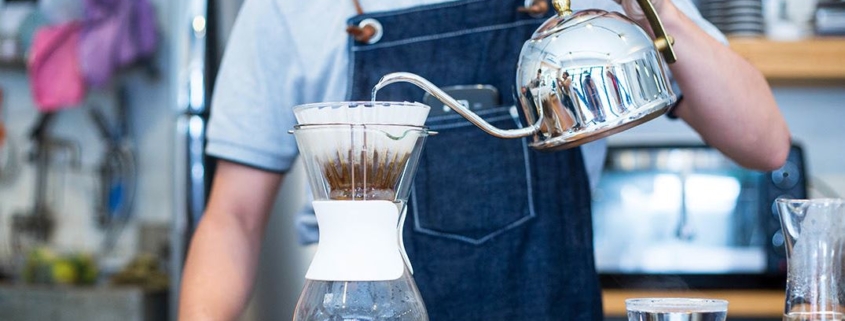
A chef can spend all morning chasing the perfect tomato, then ruin it with a glass of water that smells like a swimming pool. A home cook can buy single origin beans, weigh them to the gram, then wonder why the coffee tastes thin and metallic. A baker can follow every ratio with devotion and still pull loaves that feel stubborn and pale. In each case, the missing culprit is the same quiet substance that touches almost everything and receives almost no attention. Water.
Water is treated as a utility, something that arrives automatically when you turn a handle. Yet in cooking, water is not a blank. It has minerals, gases, disinfectants, pH, and personality. It can flatten sweetness, sharpen bitterness, sabotage fermentation, toughen legumes, soften vegetables, dull tea, and make broths taste as if they were built from the inside of a pipe. It can also make food taste more vivid without adding any obvious flavor, simply by behaving well as a solvent and a carrier.
The most unsettling truth is that many food arguments are water arguments in disguise. People debate brands, techniques, or regional superiority, and often they are tasting differences in water.
The Myth of Pure Water and the Reality of Edible Water
The popular imagination divides water into two categories, pure and dirty. In kitchens, that binary fails.
“Pure” water, in the sense of distilled or deionized water, is rarely the best choice for eating and drinking. It is chemically eager, stripped of minerals that influence extraction, mouthfeel, and flavor perception. It can taste flat or even oddly aggressive, not because it has added flavor, but because it has removed the subtle structure that minerals provide. Meanwhile, “dirty” water is not simply water with visible impurities. Many water problems are invisible, a faint chlorine smell that becomes loud in hot tea, a hardness level that changes how beans soften, a mineral profile that turns coffee bright in one home and dull in another.
Edible water is not about achieving a sterile ideal. It is about achieving a profile that supports flavor rather than interfering with it.
Water Is the Primary Solvent of the Kitchen
Cooking is often described as transformation through heat, time, and technique. Beneath those forces sits a quieter mechanism. Dissolving.
Salt dissolves into water and becomes seasoning that can travel into pasta, potatoes, beans, and brines. Sugar dissolves and becomes syrup, then caramel, then structure. Aromatics dissolve partly into water and partly into fat, then reappear as smell and taste. Proteins dissolve into a broth as gelatin and amino acids, creating body and savor. Starches swell in water, thickening sauces, turning grains tender, giving soups a comforting weight.
When water behaves differently, dissolving changes. Extraction changes. The entire architecture of flavor shifts.
Hard Water and Soft Water Are Not Moral Categories
Hard water contains higher levels of dissolved minerals, commonly calcium and magnesium. Soft water has fewer of those minerals, sometimes naturally and sometimes because it has been treated. Neither is universally superior. Each changes how food behaves, and that behavior can be either a gift or a nuisance depending on what you are making.
Hard water can support certain kinds of extraction, yet it can also interfere with others. It can make soaps less effective, which is why people notice it in shower scum. In food, the effects are more subtle and more consequential. Hard water can influence the way proteins set, the way starches gelatinize, the way tea tannins express, and the way coffee aromatics emerge.
Soft water can make some flavors feel cleaner and more immediate, yet it can also make certain extractions taste overly sharp or thin. It can change fermentation dynamics and dough strength. It can also make foods taste different simply because the mineral structure that the palate interprets as “body” is missing.
Good cooking does not require a single ideal water type. It requires awareness of what your water is doing to your ingredients.
The Coffee Cup Is Where Water Becomes Impossible to Ignore
If you want to understand water as an ingredient, coffee is the fastest teacher because coffee is mostly water, and coffee is brutally honest.
Coffee extraction depends on water’s ability to dissolve and carry flavor compounds out of ground beans. Minerals affect that ability. The wrong mineral balance can lead to coffee that tastes sour and empty, or coffee that tastes bitter and muddied, even if grind, time, and temperature are correct. This is why two people can follow the same recipe and produce results that seem like different beverages.
Water also shapes mouthfeel in coffee. Some coffees feel round and sweet in one location, then feel harsh in another. That shift is not always the beans. It can be the water’s mineral profile changing how acids and aromatic compounds are perceived.
It is common to blame equipment. It is also common to blame the roast. Water is the quieter variable that often deserves the blame, and sometimes deserves the credit.
Tea Reveals Water’s Relationship With Bitterness and Astringency
Tea is not coffee’s cousin. It is its own lesson. Tea’s most delicate pleasures are easily wrecked by water that fights it.
Chlorine odors that are barely noticeable in cold water can bloom into sharp chemical notes when hot water hits tea leaves. Hard water can push tea toward a duller, more opaque expression. It can change how tannins present, sometimes increasing perceived astringency, sometimes creating a muted, chalky feel that makes the tea seem tired.
Tea is also where temperature and water quality become inseparable. If the water is already interfering, dialing temperature down does not solve the core issue. It only changes the shape of the interference.
A good cup of tea often depends less on rare leaves than on water that is calm, clean, and supportive.
Bread Dough Is a Mineral Negotiation
Bakers talk about flour quality, fermentation, shaping, and oven conditions, and all of these matter. Yet the liquid that hydrates flour is doing more than turning powder into paste.
Minerals in water can influence gluten behavior. Calcium and magnesium can affect dough strength and extensibility. Water with certain profiles can produce dough that feels tight and resistant, or dough that feels slack and fragile, even when the flour and hydration percentage remain constant. This becomes especially noticeable in naturally leavened bread where fermentation time and dough structure are in constant conversation.
Water treatment can also change fermentation indirectly. Chlorine and chloramine, used in municipal systems to control microbes, can inhibit yeast activity and microbial cultures in sourdough. The effect can be mild or dramatic depending on concentration and contact time, but it can be enough to turn a lively starter sluggish, especially in a kitchen where other variables already lean challenging.
Bread is a living system. Water is part of its environment. Changing the environment changes the bread.
Pasta Water Is a Sauce Ingredient, Not a Disposal Sink
Pasta water is often described as starchy and useful, yet its usefulness depends on water behavior from the start.
Starch leaches into cooking water, creating a cloudy liquid that can help emulsify sauces and improve cling. Mineral content and how the pasta cooks can influence how much starch is released and how it behaves. Salinity matters too, not only for seasoning pasta but for building a cooking medium that creates noodles with internal flavor.
If water is treated as a background substance, pasta becomes a vehicle. If water is treated as an ingredient, pasta becomes a component with its own integrity, and the cooking liquid becomes a binder that can turn a sauce from oily to cohesive.
This is one of the simplest examples of water’s power. The same pasta, with the same sauce, can taste more unified when the water is handled with respect.
Beans and Legumes Turn Water Into an Argument About Patience
Few foods expose water’s influence as clearly as beans.
Some people insist you should salt beans only after cooking. Others swear salting early improves flavor without harming texture. Both camps often talk past each other because the underlying variable is not philosophy, it is water.
Hard water can interfere with how beans soften. Minerals can strengthen certain pectin structures in bean skins, making them more resistant to softening. The result can be beans that remain firm no matter how long they cook, or beans that soften unevenly, with interiors turning tender while skins stay stubborn. In that scenario, cooks start adding more heat, more time, sometimes more salt, and the pot becomes a study in frustration.
Soft water can make beans soften more readily. It can also make them more vulnerable to overcooking. The same recipe behaves differently, and the cook draws conclusions about technique without realizing water is the hidden author.
Beans teach a broader lesson. Cooking time is not only a function of the ingredient. It is also a function of the medium.
Vegetables Taste Like Water More Than People Admit
A cucumber is crisp water with a green perfume. A tomato is water suspended in plant structure, carrying sugars, acids, and aromatics. Lettuce is water arranged into leaves. When you eat vegetables, you are eating water that has been given shape by biology.
That means the water you add, whether in washing, blanching, steaming, or braising, becomes part of the vegetable’s story. Water that smells of chlorine can imprint on delicate greens. Water with high mineral content can change the way vegetables soften, the way their cell walls behave under heat, and the way their flavor reads once cooled.
Even the act of rinsing can matter. Many cooks rinse herbs and greens, then do not dry them adequately. That leftover water dilutes dressings and mutes aroma. If the water itself carries an off odor, the dish becomes subtly wrong, and people blame the produce.
Vegetables are not only seasoned by salt and oil. They are seasoned by the water that touches them.
Soup and Stock Are Only as Good as Their Base Water
Broths and stocks are often treated as the essence of ingredients, bones, vegetables, aromatics, time. Yet the vessel carrying that essence is water.
If water has an unpleasant smell, it will announce itself in a broth because broth is warm, aromatic, and largely liquid. If water has a heavy mineral profile that clashes with the broth’s intended clarity, the mouthfeel can become strangely chalky. If water is extremely soft and stripped, the broth can feel thinner, requiring more gelatin or more reduction to achieve the same sense of body.
This is why some soups taste extraordinary in certain places even when ingredients are ordinary. The water is compatible. It supports extraction and carries aroma without interference. It allows the soup to taste clean.
In soups, water is not a background. It is the stage, and the stage can ruin the play.
Disinfectants Are Useful in Cities and Awkward in Food
Municipal water systems rely on disinfectants such as chlorine or chloramine to keep water safe. This is a public health triumph. It can also be a culinary nuisance.
Chlorine can often be reduced by letting water sit exposed to air, because it can dissipate over time. Chloramine is more stable and does not dissipate as easily, which means it can remain present in the water you cook with. The practical result is that some kitchens have water that smells faintly medicinal, especially when heated.
This matters most for beverages and delicate preparations. Tea, coffee, clear broths, and lightly flavored sauces are vulnerable. It matters less for heavily spiced stews, where strong aromatics can mask subtle chemical notes.
The deeper issue is not that disinfectants are evil. The issue is that kitchens often ignore them entirely, then blame ingredients when delicate foods taste slightly wrong.
Water’s pH Changes How Flavors Present
pH sounds like a chemistry class, yet it has direct culinary consequences.
Water with different pH levels can influence extraction and perception. It can affect how certain compounds dissolve. It can affect how acidic or bitter a beverage feels. It can interact with proteins and starches subtly. It can change how quickly certain vegetables soften. It can influence how fermentations behave.
Most cooks do not need to measure pH daily. They do need to recognize that water is not inert. If a dish consistently tastes off in a way that is hard to name, and the ingredients are not the problem, water is a plausible suspect.
pH is part of why a recipe can travel poorly from one region to another without adaptation.
Ice, Steam, and Boil Are Different Water Personalities
Water changes its behavior depending on its state, and each state changes cooking in distinct ways.
Steam transfers heat differently than boiling water because steam condenses on surfaces, releasing energy efficiently. It can cook quickly while preserving certain textures, yet it can also encourage certain vegetables to retain more of their internal water, which can be a gift or a problem depending on whether you want crispness or tenderness.
Boiling is both heat and agitation. It can rough up ingredients. It can leach flavors out. It can cook pasta effectively and punish delicate fish.
Cold water is a storage environment. It suppresses aroma. It changes texture. It can preserve ingredients or damage them by dulling perfume. The cold water used to chill vegetables after blanching is not only stopping cooking. It is fixing texture and preserving color, and the cleanliness of that water affects taste more than people expect.
The state of water is part of technique, and the quality of water is part of whether that technique succeeds.
Restaurant Food Often Tastes Better for Boring Reasons
People romanticize restaurant food. They talk about secret recipes and rare skills, and skill is real, yet there are boring advantages too.
Many restaurants invest in water filtration for consistency, especially for coffee, tea, and beverage programs. They do this not because it is poetic, but because customers notice when coffee tastes wrong and ice tastes like freezer. A filtration system makes flavor reliable.
Restaurants also often have high turnover of ingredients, which keeps everything fresher. Yet water consistency can be just as important. A kitchen with stable water can repeat results. A home kitchen with variable water might chase consistency and never quite find it.
This is not an argument for industrial solutions. It is an argument for taking water seriously as part of culinary quality.
Filtration Is Not Always About Purity, Sometimes It Is About Removing Noise
When people hear “filter,” they imagine stripping everything out. In culinary terms, the goal is often different. The goal is removing noise.
Noise can be chlorine odors, sediment, or unpleasant flavors from pipes. Noise can be overly high mineral content that fights certain beverages. Noise can be the faint metallic note that becomes obvious in tea. Noise can be the stale taste that appears when water has been sitting in plumbing.
The best culinary water is not necessarily the most stripped. It is the least distracting. It allows ingredients to be the loudest voices in the room.
In some cases, adding minerals back can make water better for certain tasks. In other cases, simply removing unpleasant compounds is enough. The point is intention, not ideology.
Water Is Part of Regional Food Identity
Regional cuisines are shaped by climate, agriculture, trade, and culture. They are also shaped by water.
The mineral profile of local water influences bread, fermented foods, soups, and beverages. It influences how tea tastes in one city versus another. It influences coffee culture. It influences beer brewing and why certain brewing regions developed reputations. It influences how vegetables behave in cooking. It influences how beans soften.
When people talk about how a dish tastes better in its place of origin, they are not always talking about romance. They may be talking about water that is naturally aligned with the cuisine.
This does not mean recipes cannot travel. It means they sometimes need adjustment, and water is a place to look when the adjustment feels mysterious.
Paying Attention to Water Changes the Way You Shop
Once you recognize water as an ingredient, you start making different decisions.
You start noticing that delicate soups taste better when made with water that has no smell. You start noticing that iced beverages taste better when the water used to make ice is clean and neutral. You start noticing that coffee becomes more consistent when the water is consistent. You start noticing that bread fermentation becomes more predictable when the water does not fight the microbes.
You also start noticing that some bottled waters taste better for drinking but do not necessarily perform better in coffee or tea. You notice that some “purified” waters taste flat in beverages because they lack mineral structure. You notice that some mineral waters can make tea taste harsh. You stop assuming that a label guarantees culinary suitability.
Water awareness is a kind of sensory education. It makes the kitchen more predictable, and it makes success less dependent on luck.
The Most Practical Cooking Skill Might Be Learning Your Own Water
Many cooks chase universal rules. Water refuses universality.
The best approach is less glamorous and more effective. Learn what your water does. Learn how it smells when hot. Learn how it behaves in coffee. Learn how it behaves with beans. Notice whether bread ferments reliably. Notice whether tea tastes clean or chemical. Notice whether broths taste clear or oddly metallic.
Once you do, you can decide whether you want to adapt technique, use filtration, choose different water for specific tasks, or simply let your water’s character become part of your kitchen’s identity. Because water is always there. It touches everything. It is the ingredient you use whether you admit it or not, and it is the ingredient that keeps quietly asking the same question every time you cook, are you sure you know what you are adding.


I appreciate how the article reframes filtration as removing “noise” rather than chasing purity. That distinction feels practical and humane, and it explains why some stripped waters fail in coffee or tea while less glamorous municipal water can quietly outperform them in certain dishes.
The point about municipal disinfectants is such a good reminder. Chlorine and chloramine keep water safe, but they can absolutely show up in delicate foods like tea, broths, and even vegetables. This makes me want to treat water like a real ingredient instead of something automatic.
The section about coffee being the fastest teacher is spot on. You can change grind size, temperature, and brew time all day, but if your water is fighting extraction, the cup will always taste thin, harsh, or strangely metallic. It’s one of those truths that feels invisible until you’ve experienced it yourself.